


Content locking can be an effective way for publishers to monetize premium digital content by asking users to complete an action before gaining access. Instead of relying only on traditional display ads, publishers can use content lockers to monetize downloads, videos, guides, files, applications, and other valuable resources.
The best content locking ad network depends on several factors, including your content type, traffic source, audience location, available offers, payout model, and the type of action required from users. Some networks focus on CPA network offers, while others provide URL lockers, download lockers, mobile offers, surveys, or other performance-based monetization options.
In this guide, we compare 10 content locking ad networks in 2026, including their key features, publisher benefits, and potential use cases. We also explain how content locking works, which types of content can be locked, and what publishers should consider before choosing a network.
What Is the Best Content Locking Ad Network?
There is no single content locking ad network that is best for every publisher. The right choice depends on your niche, traffic source, audience location, content type, and monetization strategy.
Among the networks covered in this guide:
- EpicAds — Suitable for publishers looking for multiple advertising formats and global traffic monetization.
- AdMaven — Offers several ad formats and focuses on global publisher traffic.
- MaxValue.Media — Uses header bidding and supports multiple advertising formats.
- CPA Lead — Focuses specifically on content locking and CPA-based monetization.
- CPAGrip — Provides content and URL locking tools with CPA/CPL offers.
- MgCash — Focuses on adult-oriented affiliate and performance offers.
- OGAds — Specializes in mobile content locking, app installs, surveys, and related offers.
- AdWork Media — Provides content locking and performance marketing tools.
- Adludum — Focuses on gaming-related content locking and offers.
- AdLock Media — Provides CPA/CPI-based monetization and content-locking tools.
For publishers whose main goal is content locking rather than conventional display advertising, CPA-focused platforms such as CPA Lead, CPAGrip, OGAds, and AdWork Media may be particularly relevant.
What Are Content Locking Ad Networks?
A content locking ad network allows publishers to restrict access to specific content until a visitor completes a required action.
For example, a publisher may place a content locker over a:
- Download
- PDF or eBook
- Video
- Tutorial
- Software resource
- Premium guide
- Mobile application
- Exclusive webpage
- URL
The visitor may then be asked to complete an action such as a survey, app installation, registration, email submission, or another qualifying offer before the content becomes available.
Most content-locking platforms use CPA (Cost Per Action) or related performance-based models. Instead of earning primarily from impressions, the publisher earns when a visitor completes a qualifying action.
Visitor → Content Locker → Completes Offer → Content Unlocks → Publisher Earns
This makes content locking different from a conventional display ad, where the publisher may earn based on impressions or clicks without requiring the visitor to complete an offer.
How Does Content Locking Work?
The process is relatively straightforward:
- Choose a Content Locking Network: The publisher joins a network and selects the offers or locking tools relevant to their audience.
- Select the Content to Lock: The publisher decides which valuable resource should require an action before access.
- Add the Locker: The network provides a locker, script, link, API, or other implementation method depending on its platform.
- Visitor Encounters the Locker: When the visitor attempts to access the restricted content, the available offers or required actions are displayed.
- Visitor Completes an Action: The visitor completes an eligible action, such as a survey, signup, app installation, or download-related offer.
- Content Is Unlocked: Once the required action is confirmed, the visitor receives access to the restricted content.
- Publisher Earns: The publisher receives the applicable commission according to the network’s payout model and terms.
Benefits of Content Locking for Publishers
Content locking can provide several monetization opportunities, but its effectiveness depends heavily on the quality of the content and the user experience.
- Potentially Higher Revenue Per Action: Performance-based offers can generate more revenue per completed action than a traditional impression-based ad in some cases.However, higher payout per conversion does not automatically mean higher overall revenue. Conversion rate, traffic quality, geography, and offer availability all matter.
- Monetize Premium Content: Content locking allows publishers to monetize resources that provide clear value to visitors. Examples include: Exclusive tutorials, Downloadable resources, Premium guides, Templates, Software resources, Videos & Gaming resources.
- Generate Leads: Some offers require users to submit an email address or other information. This can create lead-generation opportunities, although publishers should clearly explain what users are agreeing to and follow applicable privacy requirements.
- Monetize Different Traffic Sources: Depending on the network’s policies, content-locking offers may work with traffic from websites, mobile devices, social platforms, or other sources.
- Multiple Monetization Options: Publishers can potentially combine content locking with other monetization methods, such as display advertising, affiliate marketing, or direct sponsorships, provided the networks involved allow it.
What Types of Content Can You Lock?
Content locking can be used with different types of digital resources.
Website Content
Lock access to:
- Premium articles
- Tutorials
- Guides
- Exclusive resources
File Downloads
Lock:
- PDFs
- eBooks
- Templates
- Software
- Digital resources
Videos
Publishers can place a locker before access to selected videos or video resources.
Links
URL locking requires users to complete an action before reaching a particular URL.
Mobile Content
Mobile-focused networks may provide lockers for:
- Apps
- Games
- Mobile downloads
- App-install offers
Gaming Resources
Gaming-focused publishers may use lockers around legitimate game-related resources, guides, mods, or other digital content, depending on the network’s policies.
What Should You Consider Before Choosing a Content Locking Network?
Don’t choose a network simply because it advertises a high payout.
Consider these factors first.
- Offer Quality: Look at the types of offers available and whether they are relevant to your audience.
- Traffic Compatibility: Check whether the network accepts your traffic sources, including: Organic search, Social media, Direct traffic, Mobile traffic, Incentive traffic
- Geographic Coverage: Offer availability and payout can vary by country. A network that performs well with US traffic may not produce the same results with traffic from other regions.
- Payout Terms: Check: Minimum payout, Payment frequency, Payment methods, Supported currencies, Payment conditions
- Locker Customization: Look for customization options that allow the locker to fit naturally with your website.
- User Experience: A locker should not make your website feel misleading or difficult to use. Consider the number of steps users need to complete before receiving the promised content.
- Reporting: A useful dashboard should provide enough information to understand conversions, revenue, traffic, and offer performance.
Best Content Locking Ad Networks in 2026
Here are 10 content locking ad networks worth considering based on the features and positioning described in the source material.
- EpicAds
- AdMaven
- MaxValue.Media
- CPA Lead
- CPAGrip
- MgCash
- OGAds
- AdWork Media
- Adludum
- AdLock Media
1. EpicAds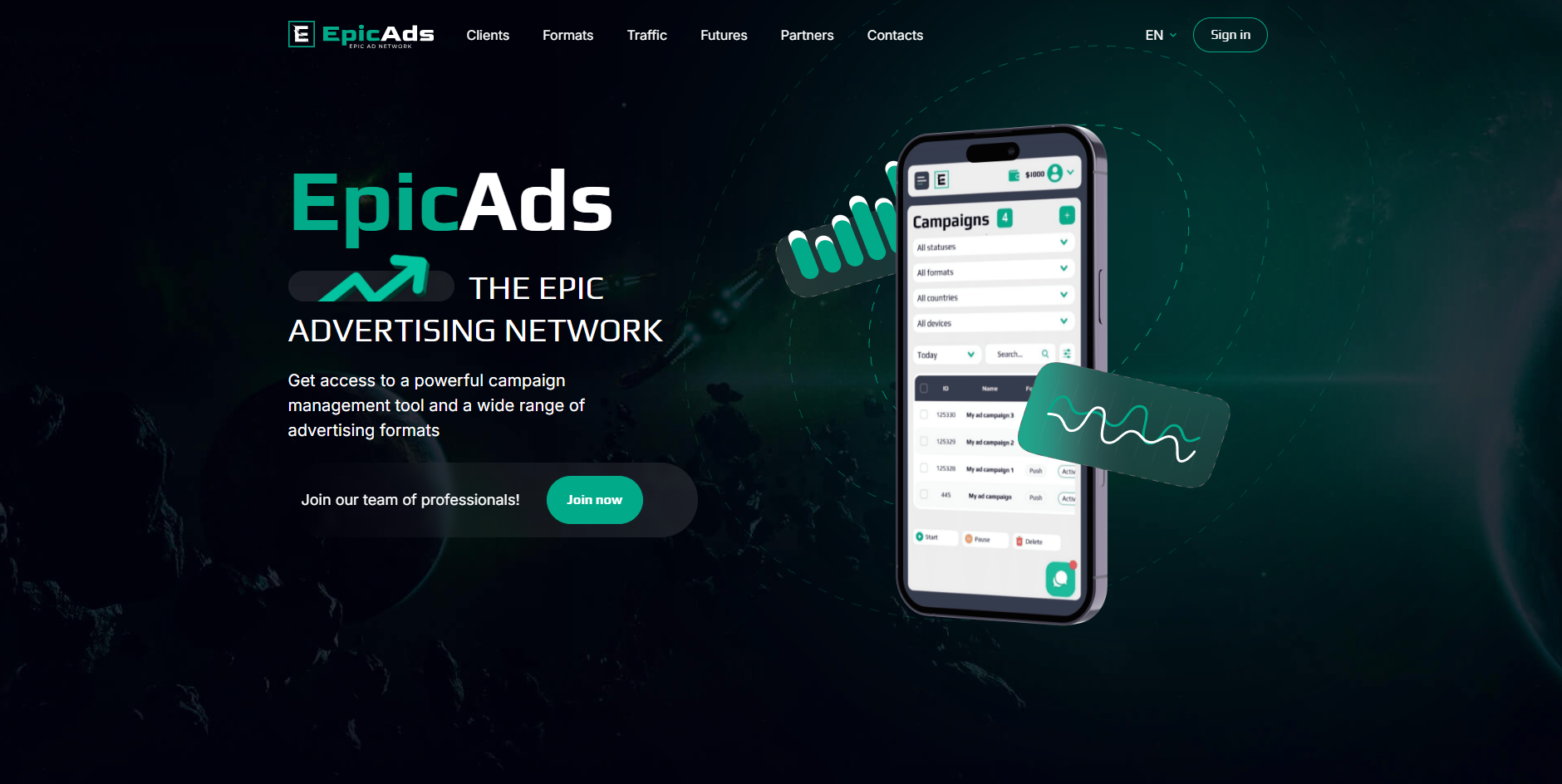
EpicAds is an advertising network focused on helping publishers monetize global website traffic through formats such as popunder, push notifications, and display advertising. The platform combines multiple ad formats with technologies such as real-time bidding and anti-adblock solutions, giving publishers different ways to monetize visitors across devices and geographic markets.
| Field | Details |
| Founded | 2017 |
| Best For | Global publishers and websites with international traffic |
| Ad Formats | Popunder, Push Notifications, Display Ads |
| Monetization Model | CPM / Advertising-based |
| Traffic Coverage | Global |
| Key Technology | Real-Time Bidding, Anti-Adblock |
| Publisher Support | Dedicated account management for qualifying publishers |
| Minimum Payout | Verify current terms with EpicAds |
| Payment Methods | Verify current publisher terms |
| Payment Frequency | Verify current publisher terms |
| Pricing | Free to join, subject to current publisher requirements |
Key Features:
- Multiple advertising formats for different publisher needs.
- Global traffic coverage across multiple geographic markets.
- Real-time bidding technology for automated ad demand.
- Anti-adblock technology designed to recover blocked advertising opportunities.
- Publisher support and dedicated account management for qualifying publishers.
Pros:
- Supports publishers with international traffic.
- Offers multiple ad formats instead of relying on a single format.
- Anti-adblock technology can help reduce lost ad impressions.
- Real-time bidding provides access to dynamic advertising demand.
- Dedicated support can be useful for qualifying publishers.
Cons:
- Some ad formats, such as popunders, may affect user experience if used aggressively.
- Monetization performance can vary significantly by traffic source, country, and niche.
- Some publisher benefits may depend on revenue or account eligibility.
- Publishers should verify current payout terms before joining.
Why Choose It: You have international website traffic and want to test multiple advertising formats with technologies such as real-time bidding and anti-adblock.
Who Should Avoid It: Publishers who prioritize a minimal, interruption-free user experience may want to avoid aggressive formats such as popunders and focus on less intrusive advertising options instead.
2. AdMaven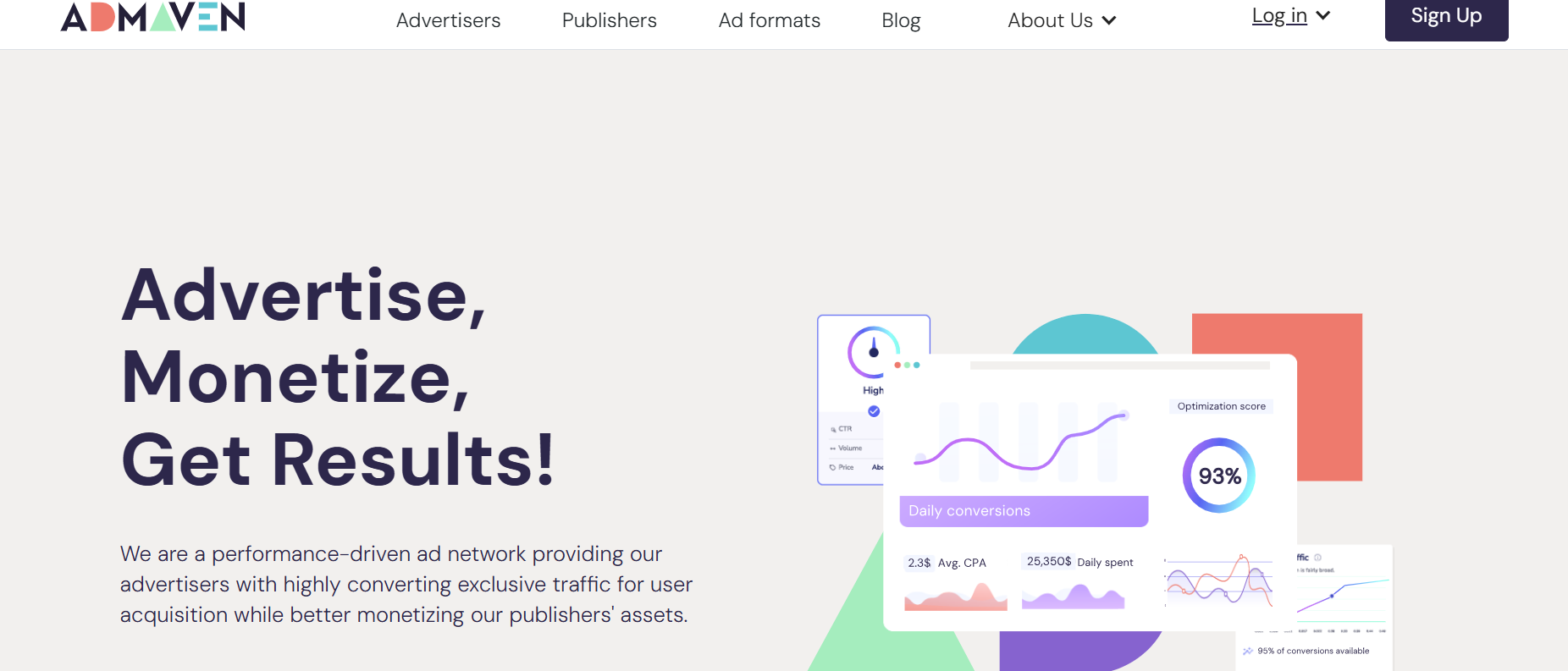
AdMaven is a global advertising network that provides publishers with multiple monetization formats, including popunders, push notifications, interstitials, and other advertising solutions. Its publisher platform is designed for websites, blogs, social channels, apps, and other traffic sources.
Rather than focusing exclusively on content locking, AdMaven is better suited to publishers who want to combine different advertising formats to monetize their traffic.
| Field | Details |
| Best For | Global publishers and websites with diverse traffic |
| Ad Formats | Popunders, Push Notifications, Interstitials, Display |
| Traffic Coverage | Global |
| Monetization Model | Advertising-based |
| Publisher Support | Available |
| Minimum Payout | Verify current terms |
| Payment Methods | Verify current publisher terms |
| Payment Frequency | Verify current publisher terms |
| Pricing | Free publisher signup |
Key Features:
- Multiple advertising formats for desktop and mobile traffic.
- Supports publishers across websites, blogs, apps, and other traffic sources.
- Offers formats including push notifications, popups, popunders, banners, and interstitials.
- Designed for publishers looking to diversify their monetization strategy.
Pros:
- Wide range of advertising formats.
- Suitable for international traffic.
- Can be used across different types of digital properties.
- Gives publishers flexibility in choosing monetization formats.
Cons:
- Some formats, particularly popunders, can be intrusive.
- It is not primarily a dedicated content-locking platform.
- Revenue can vary considerably by traffic source, geography, and niche.
Why Choose It: You want to monetize global traffic through multiple ad formats rather than relying exclusively on a content locker.
Who Should Avoid It: Publishers looking specifically for a dedicated content-locking platform may find CPA-focused networks more suitable.
3. MaxValue.Media
MaxValue.Media is an advertising platform that provides monetization solutions for website publishers. Its publisher terms identify formats such as Classic Push, In-Page Push, and Native advertising, giving publishers several ways to monetize website visitors.
The platform is better positioned as a broader advertising solution rather than a dedicated content-locking network, so publishers should evaluate whether its available formats match their specific monetization strategy.
| Field | Details |
| Best For | Website publishers seeking multiple ad formats |
| Ad Formats | Classic Push, In-Page Push, Native |
| Traffic Coverage | International |
| Monetization Model | Advertising-based |
| Publisher Platform | Available |
| Minimum Payout | Verify current terms |
| Payment Methods | Verify current publisher terms |
| Payment Frequency | Verify current publisher terms |
| Pricing | Verify current publisher terms |
Key Features:
- Push advertising formats.
- In-page push advertising.
- Native advertising.
- Publisher advertising platform.
- Advertising services for website publishers.
Pros:
- Multiple advertising formats.
- Native ads can provide a less disruptive alternative to pop-based formats.
- Suitable for publishers looking beyond traditional display advertising.
- Can complement other monetization methods.
Cons:
- Not primarily designed as a content-locking platform.
- Exact publisher terms should be verified before joining.
- Performance depends on traffic quality and audience geography.
Why Choose It: You want to experiment with push and native advertising formats as part of a broader monetization strategy.
Who Should Avoid It: Publishers whose main requirement is a feature-rich content locker should consider a network specifically built around content locking.
4. CPA Lead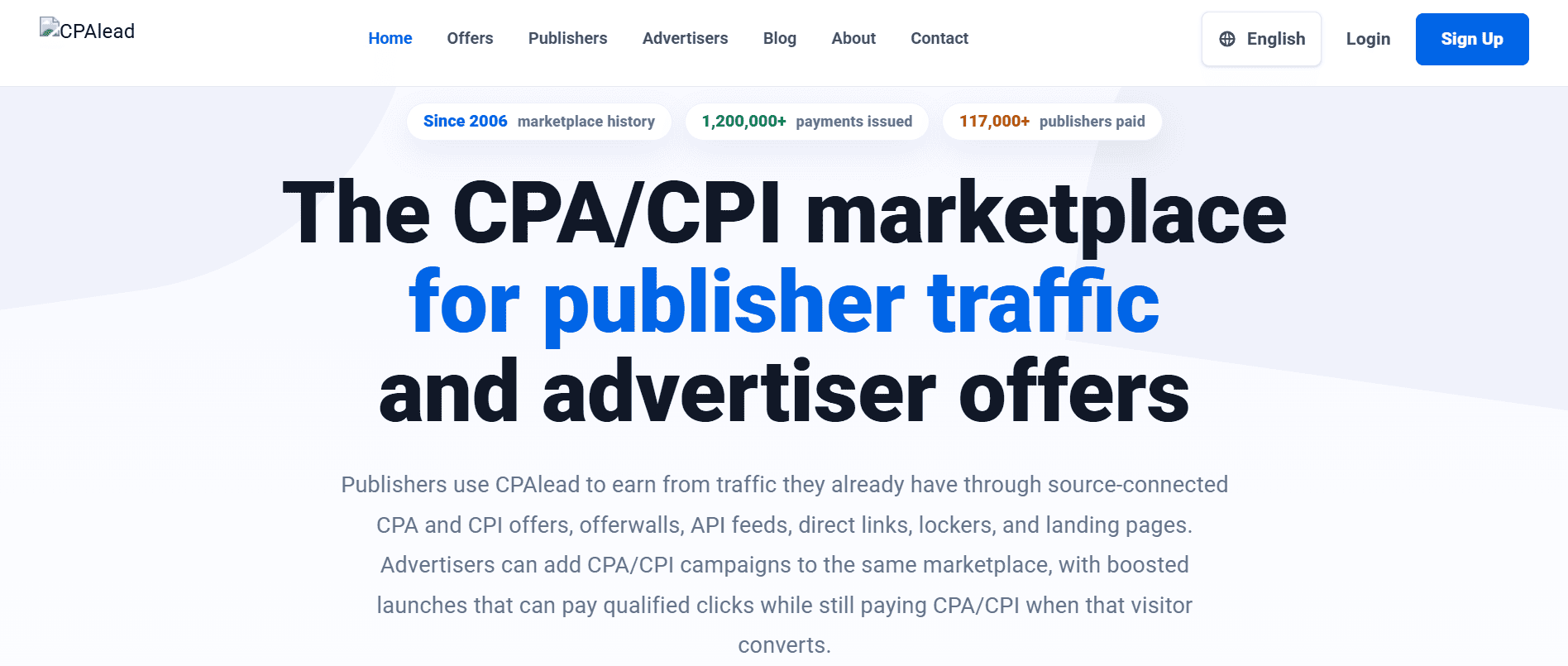
CPA Lead is one of the more relevant options for publishers specifically interested in content locking and CPA-based monetization. Unlike conventional advertising networks that primarily monetize impressions or clicks, content-locking platforms allow publishers to place valuable resources behind an offer or action.
CPA Lead can therefore be a particularly relevant choice for publishers monetizing downloads, videos, guides, or other gated digital resources.
| Field | Details |
| Best For | Content-locking and CPA publishers |
| Main Model | CPA / Performance Marketing |
| Content Types | Downloads, Videos, Premium Resources |
| Offer Types | Surveys, Signups, Mobile Offers |
| Locking Technology | Content Locking |
| API | Available for advanced integrations |
| Minimum Payout | Verify current terms |
| Payment Methods | Verify current terms |
| Payment Frequency | Verify current terms |
Key Features:
- Content-locking technology.
- CPA-based monetization.
- Offer-based content unlocking.
- Options for publishers working with digital downloads and premium resources.
- Integration options for more advanced implementations.
Pros:
- Strong fit for content-locking campaigns.
- Performance-based monetization.
- Suitable for digital resources that provide genuine user value.
- Can be more relevant than standard display advertising for gated content.
Cons:
- Requires users to complete an action before accessing content.
- Conversion rates depend heavily on traffic quality and offer relevance.
- Poorly implemented lockers can negatively affect user experience.
Why Choose It: You want a network focused on CPA-based content locking rather than conventional display advertising.
Who Should Avoid It: Publishers whose audience is unlikely to complete offers or who want a completely unrestricted content experience may prefer traditional advertising.
5. CPAGrip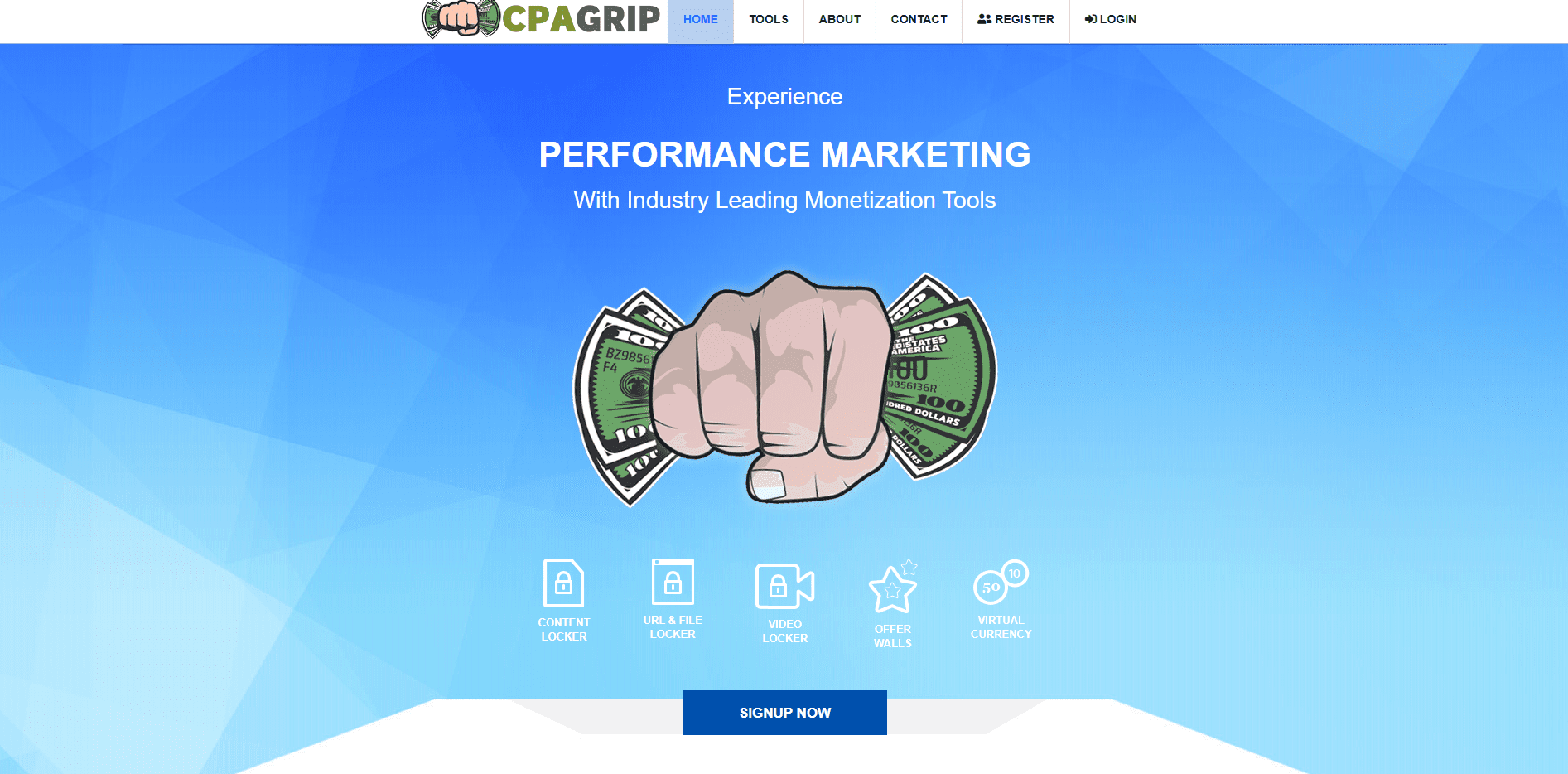
CPAGrip is a performance marketing network with several tools specifically designed for content monetization, including Content Locker, URL & File Locker, Video Locker, Offer Walls, and Virtual Currency. Its platform also uses geographic targeting to display relevant offers based on the visitor’s location.
This combination makes CPAGrip particularly relevant for publishers who need more than a basic content locker.
| Field | Details |
| Founded | 2013, according to CPAGrip |
| Best For | Content, URL, file, and video locking |
| Main Model | CPA / Incentive Marketing |
| Content Tools | Content Locker, URL & File Locker, Video Locker |
| Offer Inventory | 2,000+ incentive offers, according to CPAGrip |
| Traffic Coverage | Global |
| Tracking | Advanced tracking and reporting |
| Minimum Payout | Verify current terms |
| Payment Methods | PayPal, ACH, Wire, Payoneer |
| Payment Frequency | Verify current terms |
Key Features:
- Content Locker.
- URL and File Locker.
- Video Locker.
- Offer Walls.
- Virtual Currency tools.
- Geo-targeted offers.
- Detailed performance reporting.
Pros:
- Several different locking tools.
- Strong fit for download and video websites.
- Global offer inventory.
- Geo-targeting helps match offers to visitor locations.
- Multiple payment options are listed by CPAGrip.
Cons:
- Requires visitors to complete offers.
- Performance depends on offer availability and traffic quality.
- Too many required actions can negatively affect user experience.
Why Choose It: You need multiple types of lockers, including content, URL, file, and video lockers, instead of relying on one locking format.
Who Should Avoid It: Publishers whose visitors expect immediate access to free content may see lower engagement when an offer completion is required.
6. MgCash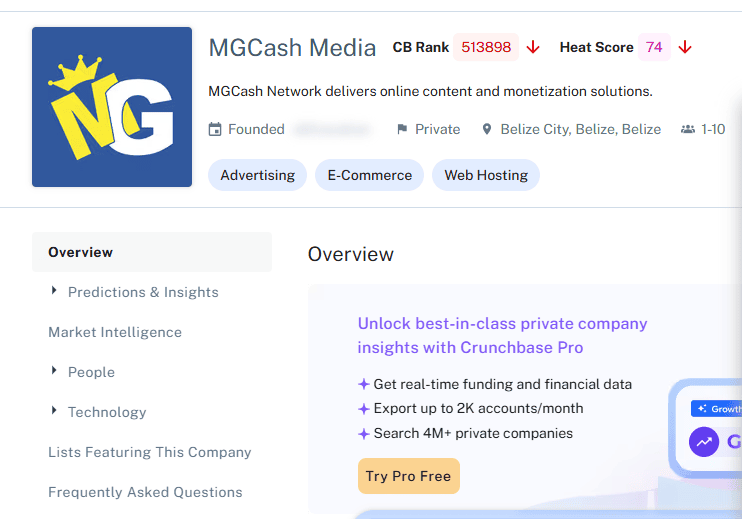
MgCash is a niche affiliate network focused primarily on adult entertainment, dating, and webcam offers. Its specialization makes it different from general-purpose content-locking platforms because its suitability depends heavily on the publisher’s niche and audience.
For publishers operating permitted adult-oriented websites, the network can provide performance-based monetization opportunities through offers designed specifically for that audience.
| Field | Details |
| Best For | Adult, dating, and webcam publishers |
| Main Model | CPA / Revenue Share / Hybrid |
| Primary Niches | Dating, Webcam, Adult Entertainment |
| Traffic Coverage | International |
| Promotional Tools | Banners, Landing Pages, White-label Solutions |
| Publisher Support | Affiliate management |
| Minimum Payout | Verify current terms |
| Payment Methods | Verify current terms |
| Payment Frequency | Verify current terms |
Key Features:
- Adult-focused affiliate offers.
- Dating and webcam campaigns.
- CPA and revenue-share opportunities.
- Promotional creatives and landing pages.
- White-label solutions for qualifying campaigns.
Pros:
- Strong niche specialization.
- Offers can be closely matched to adult and dating audiences.
- Multiple performance-based monetization models.
- Promotional resources can simplify campaign implementation.
Cons:
- Highly niche-specific.
- Not suitable for general websites.
- Content and traffic must comply with the network’s current policies and applicable laws.
- Adult advertising can have platform and traffic-source restrictions.
Why Choose It: You operate a permitted adult, dating, or webcam-focused website and want offers designed specifically for that audience.
Who Should Avoid It: General publishers, family-friendly websites, and businesses outside the adult/dating niche should choose a more broadly applicable network.
7. OGAds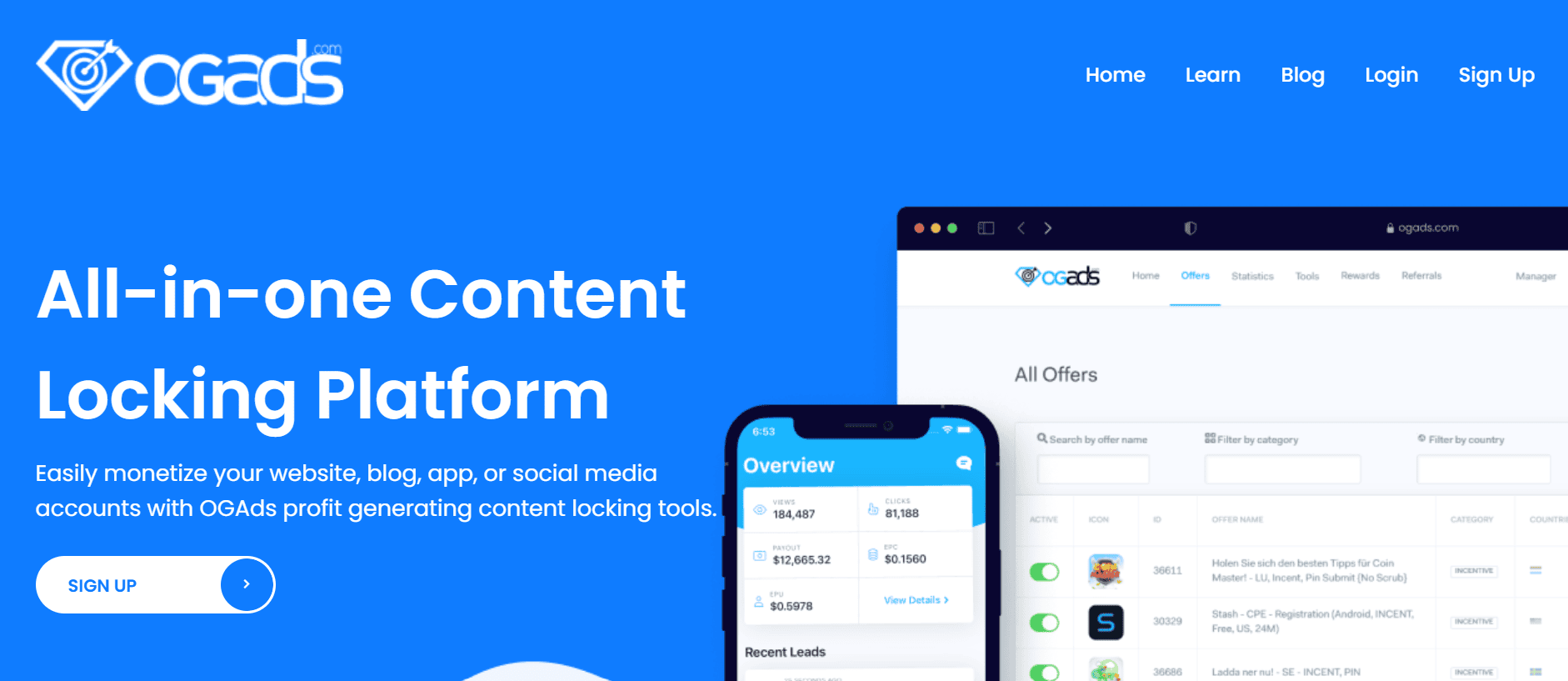
OGAds is an all-in-one content-locking platform designed to monetize websites, blogs, apps, and social media traffic. Its platform supports content lockers that can require users to complete an action before accessing an eBook, website resource, video, or other content.
OGAds also supports integration through direct links, JavaScript, and APIs, making it useful for publishers with different technical setups.
| Field | Details |
| Best For | Mobile & desktop content publishers |
| Main Model | CPA / Performance Marketing |
| Content Types | eBooks, Websites, Videos, Downloads |
| Platforms | Websites, Apps, Blogs, Social Media |
| Integration | Direct Link, JavaScript, API |
| Payment Frequency | Net-7, according to OGAds |
| Payment Methods | PayPal, Crypto, Wire, Direct Deposit, E-Cheque |
| Minimum Payout | $50 is referenced in OGAds documentation |
| Traffic Coverage | Global |
Key Features:
- Mobile and desktop content lockers.
- Customizable locker designs.
- Support for iOS and Android-related offers.
- Direct-link, JavaScript, and API integration.
- Weekly Net-7 payments according to OGAds.
- Multiple payment methods.
Pros:
- Specifically built around content locking.
- Supports both mobile and desktop traffic.
- Multiple integration options.
- Useful for apps, websites, blogs, and social traffic.
- Offers several payment methods.
Cons:
- Monetization depends on users completing offers.
- Offer availability can vary by country and device.
- Content locking can hurt UX if the locked resource does not provide enough value.
Why Choose It: You need a dedicated content-locking platform that supports mobile, desktop, websites, apps, and multiple integration methods.
Who Should Avoid It: Publishers who don’t want visitors to complete an action before accessing content may be better suited to conventional ad networks.
8. AdWork Media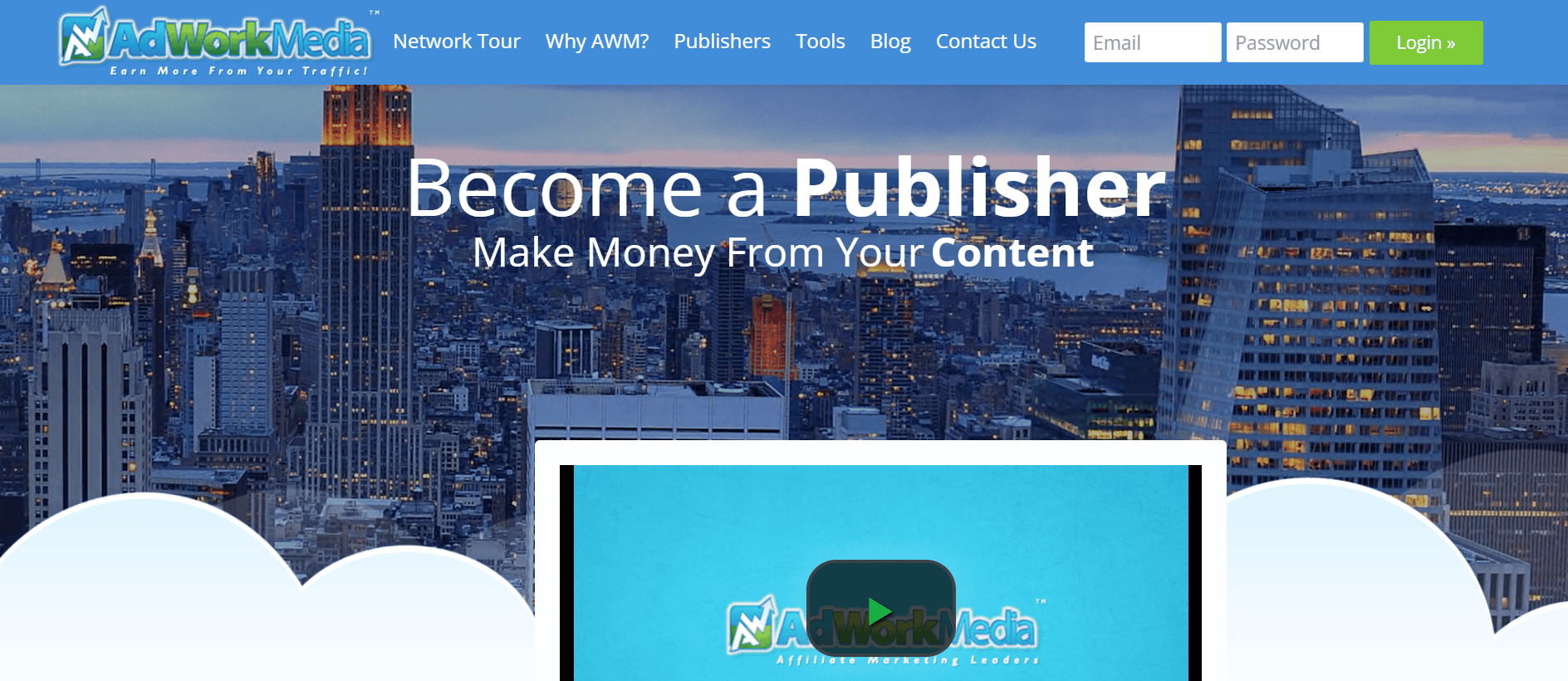
AdWork Media is a global performance marketing network that provides dedicated content-locking and monetization tools for publishers, website owners, app developers, and game developers. Its platform supports content lockers, link lockers, product lockers, and offer walls.
One of its strongest advantages is the level of customization available. Its Content Locker Manager provides 50+ customizable options, while its system also supports real-time tracking, conversion statistics, split testing, and mobile optimization.
| Field | Details |
| Best For | Websites, apps, games, and digital content publishers |
| Main Model | CPA / Performance Marketing |
| Locker Types | Content, Link, Product, Offer Wall |
| Traffic Coverage | 200+ countries |
| Customization | 50+ locker options |
| Tracking | Real-time tracking and postback |
| Integration | HTML/JavaScript, API |
| Payment Methods | Check, PayPal, ACH, Wire, Payoneer, Western Union |
| Payment Frequency | Verify current terms |
Key Features:
- Content, link, and product lockers.
- Mobile content locker.
- 50+ customization options.
- Geo-targeted offers.
- Real-time postback tracking.
- Conversion statistics.
- Split-testing tools.
- International coverage across 200+ countries.
Pros:
- Dedicated content-locking technology.
- Highly customizable locker system.
- Supports mobile and international traffic.
- Advanced tracking and optimization features.
- Multiple integration options.
- Wide range of payment methods.
Cons:
- Requires users to complete qualifying actions.
- Advanced features may be more useful to experienced publishers.
- Aggressive locking can negatively affect user experience.
- Publishers must follow the network’s traffic and compliance rules.
Why Choose It: You want a highly customizable content locker with advanced tracking, mobile support, international coverage, and multiple monetization tools.
Who Should Avoid It: Publishers looking for a simple display advertising solution rather than performance-based content monetization may not need its extensive locking tools.
9. Adludum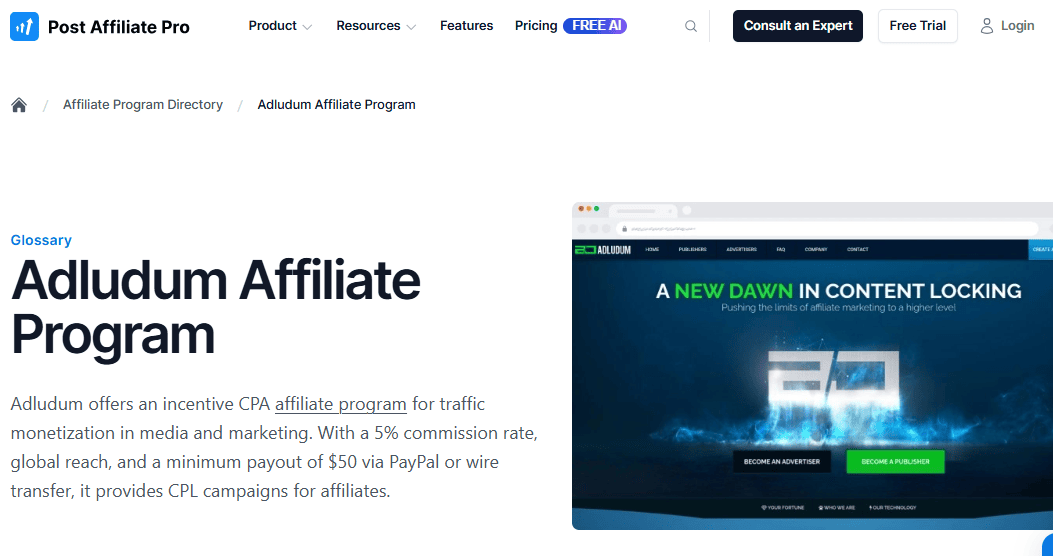
Adludum is positioned as a gaming-focused advertising and monetization platform. Its niche focus makes it particularly relevant to publishers whose audiences are interested in gaming-related content and digital resources.
Rather than competing directly with general-purpose ad networks, its value comes from its gaming-specific positioning, where offer relevance can be particularly important for conversion performance.
| Field | Details |
| Best For | Gaming publishers and gaming communities |
| Main Focus | Gaming-related performance marketing |
| Primary Audience | Gamers |
| Monetization Model | Performance-based |
| Offers | Gaming-related offers |
| Traffic Coverage | Verify current coverage |
| Publisher Support | Verify current terms |
| Minimum Payout | Verify current terms |
| Payment Methods | Verify current terms |
Key Features:
- Gaming-focused monetization.
- Offers designed around gaming audiences.
- Performance-based advertising opportunities.
- Niche-specific approach for gaming publishers.
Pros:
- Strong relevance for gaming audiences.
- More specialized than a general advertising network.
- Can complement gaming-focused content.
- Niche targeting can help improve offer relevance.
Cons:
- Limited usefulness outside gaming-related niches.
- Offer availability can vary by country and audience.
- Publishers should verify current content and traffic policies.
- Performance depends on audience engagement and offer relevance.
Why Choose It: You operate a gaming-focused website or community and want monetization options designed around gaming audiences.
Who Should Avoid It: Publishers in general lifestyle, business, technology, or non-gaming niches are unlikely to benefit from a gaming-specific platform.
10. AdLock Media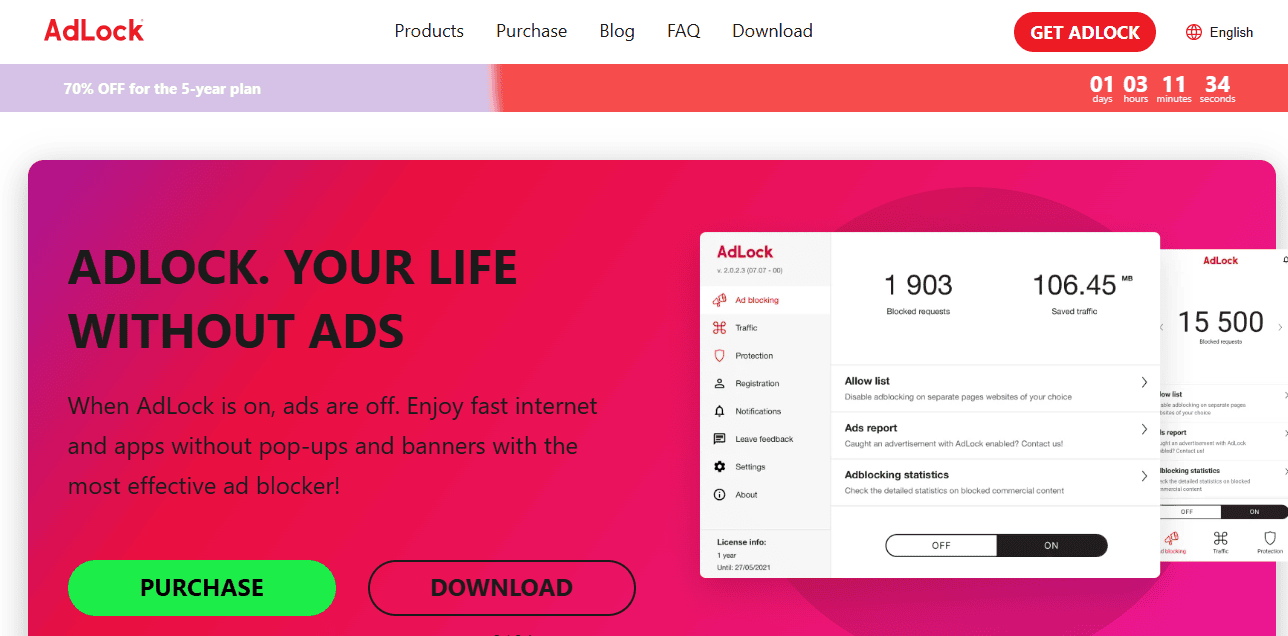
AdLock Media is positioned as a performance-based monetization platform offering CPA and CPI opportunities for publishers. Its model can be relevant to publishers looking to monetize traffic through mobile application offers and other performance-based campaigns.
The platform can be considered when a publisher wants to diversify beyond traditional CPM or CPC advertising.
| Field | Details |
| Best For | CPA/CPI publishers and mobile-focused traffic |
| Main Model | CPA / CPI |
| Offer Types | Mobile Apps and Performance Offers |
| Traffic Coverage | International |
| Tracking | Publisher dashboard and tracking |
| Monetization | Performance-based |
| Minimum Payout | Verify current terms |
| Payment Methods | Verify current terms |
| Payment Frequency | Verify current terms |
Key Features:
- CPA-based offers.
- CPI mobile application campaigns.
- Publisher dashboard.
- Performance tracking.
- International monetization opportunities.
Pros:
- Performance-based monetization.
- Useful for mobile-oriented audiences.
- CPA and CPI provide alternatives to traditional display advertising.
- Can help publishers diversify their revenue sources.
Cons:
- Conversion-based models depend heavily on offer relevance.
- Not every website will have an audience suited to mobile offers.
- Current payout and eligibility terms should be verified before joining.
- Performance can vary by country, device, and traffic source.
Why Choose It: You have mobile or international traffic and want to test CPA/CPI offers as an alternative to conventional advertising.
Who Should Avoid It: Publishers whose audiences are unlikely to engage with app installs or performance-based offers may get better results from traditional advertising models.
Quick Comparison: Best Content Locking Ad Networks in 2026
| Ad Network | Best For | Main Monetization | Key Strength |
| EpicAds | Global publishers | CPM / Advertising | Multiple ad formats |
| AdMaven | Global websites | Advertising | Diverse ad formats |
| MaxValue.Media | Website publishers | Advertising | Push & native ads |
| CPA Lead | Content locking | CPA | Dedicated content-locking solutions |
| CPAGrip | Downloads & gated content | CPA / CPL | Content, URL & file lockers |
| MgCash | Adult publishers | CPA / Revenue Share | Niche-specific offers |
| OGAds | Mobile & digital content | CPA | Mobile content lockers |
| AdWork Media | Websites, apps & games | CPA | Customizable locking tools |
| Adludum | Gaming publishers | Performance-based | Gaming-focused offers |
| AdLock Media | Mobile-focused publishers | CPA / CPI | Mobile app offers |
How to Choose the Best Content Locking Ad Network
There isn’t a universal best content locking ad network. Your choice should match your website and audience.
- For General Content Websites: Consider networks that offer broad CPA/CPL inventory and customizable lockers.
- For Download Websites: Look for networks with download lockers and URL locking capabilities.
- For Mobile Audiences: Prioritize networks with mobile-optimized offers, app installs, and CPI campaigns.
- For Gaming Websites: Gaming-focused platforms may provide offers and locker designs that are more relevant to gaming audiences.
- For International Traffic: Compare offer availability and payouts by country before choosing a network.
- For Adult Publishers: Use only networks and offers that explicitly permit your content category and comply with applicable laws and platform policies.
How to Increase Revenue From Content Locking
A content locker alone does not guarantee higher earnings. Your implementation matters.
- Lock High-Value Content: Visitors are more likely to complete an action when the content behind the locker genuinely solves a problem or provides something useful.
- Match Offers to Your Audience: An offer should be relevant to the visitor’s device, location, and interests whenever possible.
- Keep the Unlock Process Simple: Too many steps can reduce conversions. A clear and straightforward user journey is usually better than forcing visitors through unnecessary actions.
- Test Different Locker Designs: Compare different layouts, copy, and placements to understand what works best for your audience.
- Protect User Trust: Tell users clearly that they need to complete an action to access the content. Avoid misleading buttons or pretending that an advertisement is the actual download.
Frequently Asked Questions
1. What is a content locking ad network?
A content locking ad network allows publishers to restrict access to digital content until visitors complete a qualifying action, such as a survey, signup, app installation, or other offer.
2. How do content locking ad networks make money?
Most content-locking platforms use performance-based models such as CPA or CPL. The publisher earns when a visitor completes an eligible action associated with an offer.
3. What type of content can I lock?
You can potentially lock downloads, PDFs, videos, tutorials, software, applications, guides, URLs, and other digital resources, depending on the network’s tools and policies.
4. Is content locking better than traditional ads?
Not necessarily. Content locking can produce higher revenue per completed action, but traditional ads can monetize visitors without requiring them to complete an offer. The better approach depends on your audience, content, traffic, and conversion rate.
5. Can I use content locking on mobile websites?
Yes. Several content-locking networks provide mobile-optimized offers, app-install campaigns, and mobile lockers.
6. Can I use social media traffic with content locking?
Some networks allow social media traffic, but the rules vary. Always check the network’s traffic-source policies and the terms of individual offers before promoting them.
7. How much can I earn with a content locking network?
There is no fixed earning amount. Revenue depends on traffic volume, traffic quality, geographic location, offer availability, conversion rate, and payout per action.
8. Are content lockers good for user experience?
They can be, if used selectively and transparently. Locking low-value content or forcing users through excessive offers can damage trust and increase abandonment.
9. Which content locking network is best for beginners?
There is no universal winner. CPA Lead, CPAGrip, and AdWork Media are particularly relevant to publishers specifically looking for content-locking tools, while the best choice depends on your content type, traffic, and eligibility.
10. What should I check before joining a content locking network?
Before joining, check the network’s payout terms, minimum payout, payment methods, traffic policies, geographic coverage, offer quality, customization options, reporting, support, and content restrictions.
Conclusion
Content locking can be a useful monetization strategy for publishers with valuable digital content, particularly when visitors are willing to complete a relevant action to access a resource.
The best network depends on what you are monetizing. CPA Lead, CPAGrip, OGAds, and AdWork Media are particularly relevant for publishers looking specifically for content-locking tools, while platforms such as EpicAds, AdMaven, and MaxValueMedia offer broader advertising solutions. Niche publishers can also consider specialized options such as MgCash for adult-oriented offers and Adludum for gaming-focused audiences.
Before choosing a network, compare offer quality, payout terms, traffic compatibility, geographic coverage, locker customization, conversion potential, and user experience. Most importantly, only lock content that provides genuine value and make the unlock process clear to visitors.
When implemented responsibly, content locking can turn valuable digital resources into an additional revenue stream without unnecessarily damaging user trust or website experience.
