

Wearable tech affiliate programs let creators, bloggers, and influencers earn a commission by promoting wearable devices, smartwatches, fitness trackers, AR glasses, health monitors, and smart rings through a unique referral link. When a reader clicks that link and makes a purchase, the affiliate earns a percentage of the sale, and in some cases, recurring revenue from subscriptions or companion app fees. It’s a straightforward model that’s become one of the more reliable ways to monetize health, fitness, and tech-focused content.
Based on our research, this niche is having a moment in 2026: wearables have moved well past basic step-counters into ECG monitoring, sleep and recovery analytics, and AR eyewear, with commission rates typically ranging from 1% to 20% per sale. In this guide, we’ve rounded up 10 of the best wearable tech affiliate programs, including Apple, Garmin, WHOOP, Samsung, Polar, and Oura Ring, covering their commission rates, cookie durations, payment terms, and practical tips to help you choose the right fit and start earning.
What Are Wearable Tech Affiliate Programs?
Wearable tech affiliate programs are partnerships between wearable device brands (like Apple, Garmin, or Oura) and content creators, where the creator promotes the brand’s products using a unique tracking link. When someone clicks that link and buys a device, or in some cases, signs up for a subscription, the affiliate earns a commission, typically anywhere from 1% to 20% of the sale.
These affiliate programs work the same way as most affiliate marketing models: sign up, get approved, receive a trackable link or code, and place it in your content, a blog post, YouTube review, Instagram caption, or email newsletter. The brand’s affiliate platform (often run through networks like ShareASale, CJ Affiliate, or Impact) tracks the click, attributes the sale using a “cookie duration” window, and pays out the commission, usually monthly.
Why Wearable Tech Affiliate Programs Are Thriving in 2027
The wearable technology industry is undergoing an irreversible boom, driven by technological advancements and consumer prioritisation of health and productivity. The global market is projected to reach nearly $230 billion by 2027. This rapid expansion is fueled by the demand for continuous, real-time data monitoring across fitness, health, and connectivity. The market has diversified far beyond smartwatches into smart rings, AR eyewear, and smart clothing, creating immense opportunities for affiliates. High Average Order Values (AOV) and subscription-based revenue models, thanks to AI and IoT integration, position 2027 as a prime year for monetising this essential tech vertical.
Key Drivers of Growth in Wearable Tech Affiliate Programs
Health and Wellness Revolution
Wearable devices like fitness trackers, smartwatches, and health monitors have become essential tools for individuals striving to maintain a healthy lifestyle. They help users track vital metrics such as steps, calories burned, heart rate, and sleep quality. As health consciousness grows globally, so does the demand for wearable technology in Wearable Tech Affiliate Programs.
Seamless Integration with Daily Life
Wearable Tech Affiliate Programs offer unmatched convenience, integrating seamlessly into daily routines. From receiving notifications on a smartwatch to making contactless payments, these devices simplify everyday tasks.
Expanding Applications
Wearable Tech Affiliate Programs are no longer confined to fitness. Innovations like augmented reality (AR) glasses, wearable medical devices, and smart earbuds cater to diverse needs, including entertainment, healthcare, and productivity.
Recurring Revenue Potential
Many wearables require additional accessories, companion apps, or subscription services, presenting ongoing earning opportunities for affiliate marketers.
How Wearable Tech Affiliate Programs Work
Wearable tech affiliate programs operate similarly to other affiliate programs. Affiliates join a program, receive a unique referral link, and promote wearable tech products or services. When customers make purchases or perform specific actions using the affiliate’s referral link, the affiliate earns a commission.
Common Features of Wearable Tech Affiliate Programs:
- Diverse Product Range: Programs typically feature a variety of devices, including smartwatches, fitness trackers, earbuds, AR glasses, and even wearable medical equipment.
- Competitive Commissions: Many programs offer commission rates ranging from 5% to 30% per sale, with some offering additional bonuses.
- Global Reach: Wearables appeal to audiences worldwide, allowing affiliates to target a broad customer base.
- Recurring Earnings: Some programs offer subscription-based models or recurring commissions, enabling steady income streams.
Top 15 Wearable Tech Affiliate Programs in 2027
Here are the best wearable tech affiliate programs in 2027
- RedHealth
- Fitbit
- RayNeo
- Eyeconic
- Apple
- Garmin
- WHOOP
- Samsung Wearables
- Polar
- Oura Ring
1. RedHealth
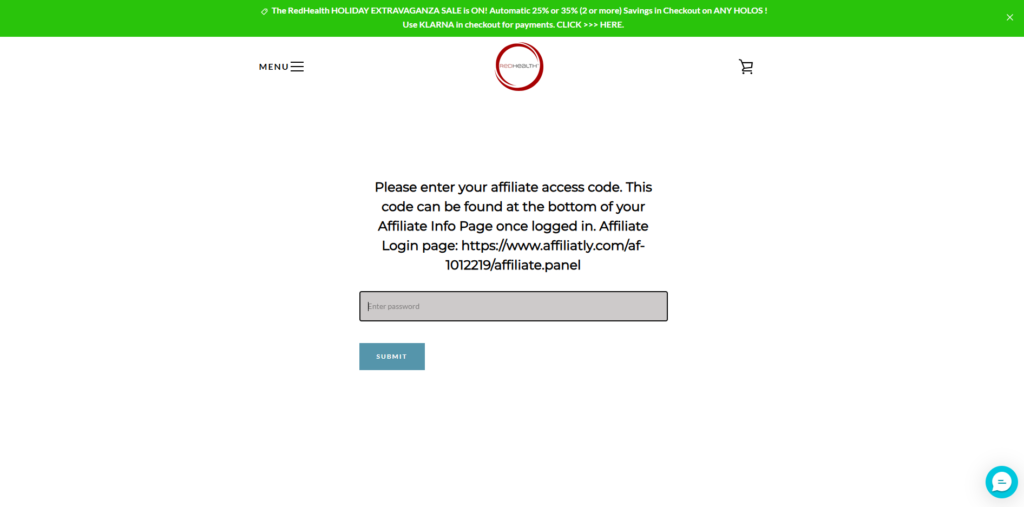
RedHealth is a pioneer in wearable technology, offering resonant energy devices that promote holistic wellness. These sophisticated and interactive devices are designed to enhance the physical, emotional, and mental well-being of both humans and animals. RedHealth’s innovative technology focuses on energy alignment and balance, ensuring users achieve overall wellness. The brand is ideal for health-conscious individuals, biohackers, and animal lovers seeking next-generation Wearable Tech Affiliate Programs solutions.
Program Details
- Commission rate: 20% on direct referred sales; 5% second-tier commission on sales from affiliates you refer
- Cookie duration: Not publicly disclosed
- Payment terms: Monthly, on the 1st, for sales that hit the $90 minimum payout and have cleared the 30-day return window
- Network/platform: Affiliatly (in-house dashboard)
- Activity requirement: Must sell at least one product per quarter to stay active
Pros
- High 20% commission rate, well above the average for wearables
- Two-tier structure adds a secondary income stream
- Low barrier to entry, free to join, no minimum traffic disclosed
Cons
- Undisclosed cookie duration makes it hard to evaluate against competitors
- Niche audience (PEMF/energy wellness isn’t mainstream, so conversion may require audience education)
- Quarterly sales requirements to remain active could be a hurdle for smaller affiliates
2. Fitbit
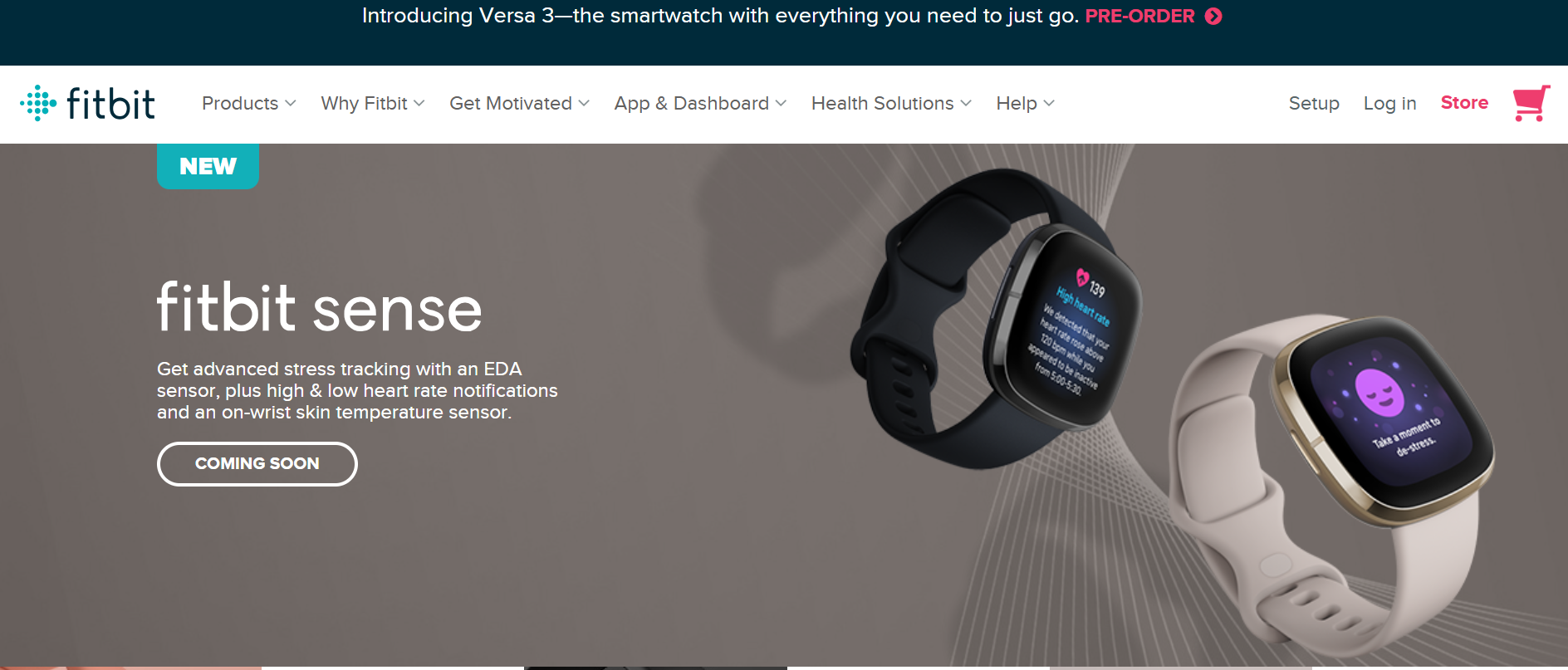 Fitbit, now owned by Google, remains one of the most recognized names in fitness wearables, spanning basic activity trackers through advanced smartwatches with GPS and heart rate monitoring. Based on our research across multiple affiliate directories, Fitbit runs its program primarily through Commission Junction (CJ), with a consistent 3% commission rate, modest compared to other categories, but offset by strong brand recognition and high purchase intent, since most shoppers searching “Fitbit” already know exactly what they want to buy.
Program Details
- Commission rate: 3% per sale (some sources note this can increase with volume/negotiation)
- Cookie duration: Reported inconsistently across sources, commonly cited as 15 days, though some list up to 45 days depending on network; confirm current terms at signup
- Payment terms: Monthly; minimum payout around $50 (direct deposit) or $100 (check)
- Network/platform: Commission Junction (CJ)
- Availability: Some sources note the program is limited to US and Canada-based affiliates
Pros
- Extremely strong brand recognition; Fitbit is a near-default answer to “best fitness tracker”
- High purchase intent audience, since buyers are often already decided on the brand
- Now backed by Google’s ecosystem, broadening appeal, and product integration
Cons
- 3% commission is on the lower end of this list, especially for lower-priced trackers
- Cookie duration is inconsistently reported, worth verifying directly with CJ before committing to the content strategy
- Requires an established site with real traffic; new/thin blogs are often delayed or rejected
3. RayNeo
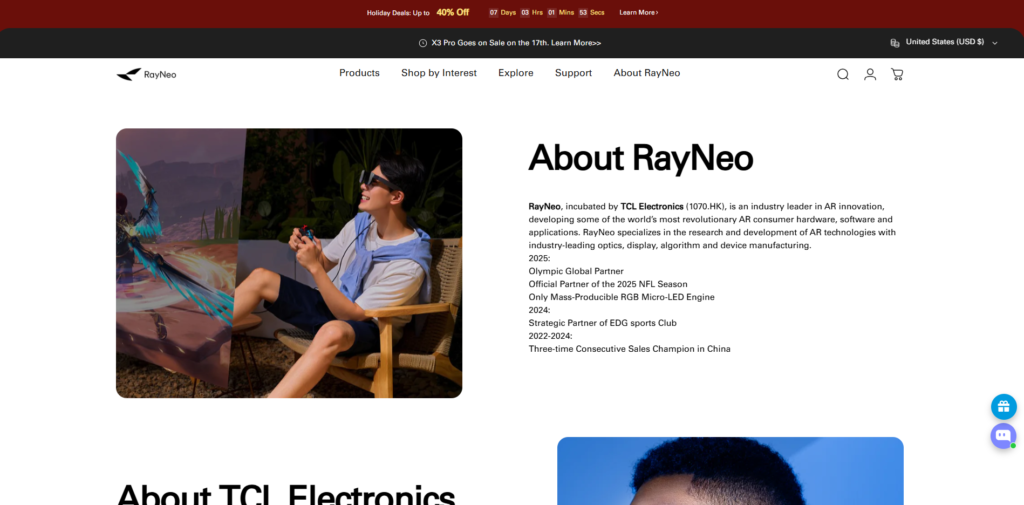
RayNeo, a subsidiary of TCL, is positioned at the forefront of the Augmented Reality (AR) smart glasses market, which is projected for massive growth in 2026. Their products, such as the Air 2 or X2 Lite, offer true wearable displays for media consumption, productivity, and light gaming, appealing to early adopters, tech reviewers, and commuters seeking privacy and a new hands-free experience. This niche offers high-ticket items with less affiliate competition than traditional smartwatches.
Program Details
- Commission rate: Typically 7%–15%, depending on the affiliate network and product line
- Cookie duration: Around 30 days
- Payment terms: Monthly, via affiliate network
- Network/platform: Varies by network (commonly available through mainstream affiliate networks)
Pros
- High average order value on premium AR hardware
- Low affiliate competition compared to saturated smartwatch niches
- Strong appeal for tech reviewers and forward-looking content creators
Cons
- AR glasses are a newer, less-understood product category; they may require more educational content to convert
- Commission rate varies by network, making it harder to predict earnings upfront
- Narrower audience than mainstream fitness wearables
4. Eyeconic
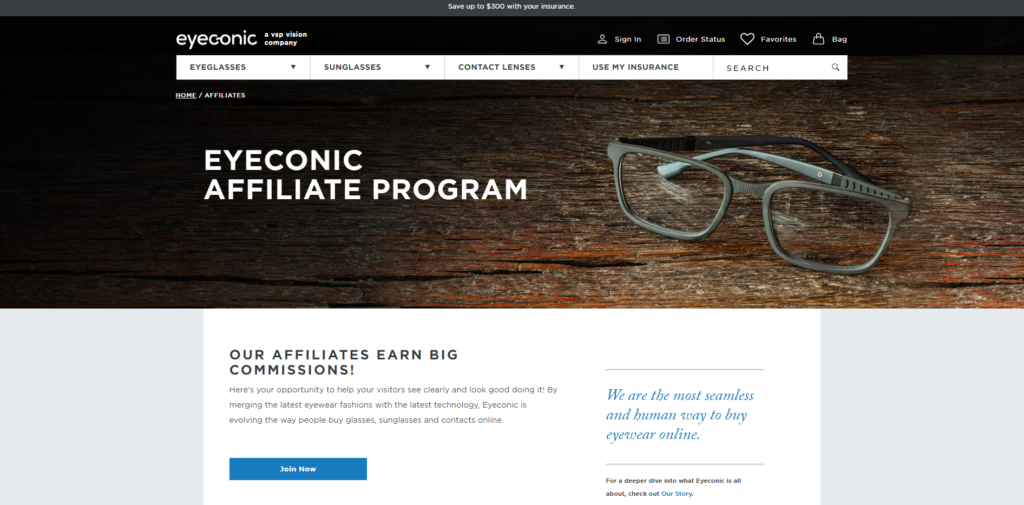
Eyeconic is an innovative online platform that offers a seamless shopping experience for eyewear and contact lenses. Unlike traditional retailers, Eyeconic allows users to use their vision insurance benefits from providers like VSP, MetLife, and Cigna to purchase designer frames and contacts. With a vast collection of premium brands, Eyeconic ensures affordability and convenience for all customers. For those without vision insurance, Eyeconic offers competitive pricing and frequent discounts, making designer eyewear accessible to everyone.
Program Details
- Commission rate: Not publicly disclosed; specific rates shared after signup
- Cookie duration: Not publicly disclosed
- Payment terms: Monthly, via affiliate platform
Pros
- Unique insurance-integration angle broadens appeal beyond typical eyewear shoppers
- Wide selection of designer frames and contacts
- Frequent promotions and discounts can boost conversions
Cons
- Commission structure isn’t transparent pre-application, making it hard to evaluate upfront
- Less “wearable tech” in the traditional sense — may not fit a strictly tech-focused audience
- Limited publicly available program terms overall
5. Apple
Apple is a tech giant known for its groundbreaking innovations and iconic products, including the Apple Watch, a leading wearable device in the market. The Apple Watch offers health tracking, fitness monitoring, and seamless integration with other Apple devices, making it a must-have for tech enthusiasts and fitness fans alike. Apple’s Performance Partner Program enables affiliates to earn commissions by promoting eligible Apple products and referring customers to their online store.
Program Details
- Commission rate: 7% on TV/movie and book sales; one-time flat payment on subscription signups (varies by service and region)
- Cookie duration: 30 days for Apple TV app links; 24 hours for iTunes Store links
- Payment terms: Paid via Partnerize; minimum payout threshold of $30, funds available roughly 60–90 days after month-end
- Network/platform: Partnerize (application required, separate from other Partnerize programs)
Pros
- Extremely strong brand recognition drives high click-through rates
- 30-day cookie window on TV/Movie links is generous for a services-based program
- Access to Apple’s official assets and reporting via Partnerize
Cons
- Does not cover Apple Watch or other hardware, a major limitation for a “wearable tech” list
- Application process is selective and not guaranteed
- Short 24-hour cookie window on iTunes Store links
6. Garmin

Garmin is a renowned leader in GPS technology and wearable devices, offering a diverse range of products that cater to fitness enthusiasts, adventurers, and everyday users. Their product lineup includes smartwatches, fitness trackers, and navigation devices, all designed to enhance the user experience through advanced features and durable design. Garmin’s commitment to innovation and quality has established it as a trusted brand in the Wearable Tech Affiliate Programs industry.
Program Details
- Commission rate: Commonly cited at up to 8% per sale (some networks list lower rates, so confirm terms at signup)
- Cookie duration: Typically 20–30 days, depending on the network
- Payment terms: Monthly payouts; methods vary by network (PayPal, bank transfer, or check)
- Network/platform: Available via CJ Affiliate, FlexOffers, Awin, and others
Pros
- Strong, trusted brand across fitness, outdoor, and travel niches
- Diverse product catalog (smartwatches, fitness trackers, GPS, marine, and aviation gear)
- Reasonable cookie duration for a considered-purchase product category
Cons
- Commission rate is inconsistent across networks, worth comparing before committing
- Some sources note a more stringent application/approval process
- Lower commission rate compared to some competing wearable brands
7. WHOOP

WHOOP is a performance optimization system that provides personalized insights into sleep, recovery, and daily activity through its wearable device and accompanying app. Designed primarily for athletes and fitness enthusiasts, WHOOP offers data-driven recommendations to help users improve their performance and overall health. The subscription-based model ensures continuous updates and access to advanced analytics. Notably, WHOOP’s innovative design allows the device to be worn on various body locations, including the wrist, torso, waist, and calf, enhancing user comfort and data accuracy.
Program Details
- Commission rate: Up to $50 per new paid membership (flat CPA, not percentage-based)
- Cookie duration: 30 days
- Payment terms: Monthly payouts via affiliate network
- Network/platform: Primarily Impact and Skimlinks
Pros
- Flat per-membership payout can outperform percentage-based commissions on lower-ticket items
- Strong recurring-revenue brand story (subscription model), appealing to a loyal audience
- 30-day cookie window suits a considered purchase
Cons
- Flat CPA means no upside from higher-spending customers (unlike percentage commissions)
- Subscription-first model may confuse audiences expecting a one-time hardware purchase
- Niche appeal, best suited to fitness/biohacking-focused content, less so general tech audiences
8. Samsung
Samsung, a global technology leader, offers a range of wearable devices, including the Galaxy Watch series and Galaxy Buds. These devices seamlessly integrate with Samsung’s ecosystem, providing users with features like fitness tracking, notifications, and music control. Samsung’s wearables are known for their sleek design, advanced technology, and compatibility with various devices, making them popular among tech-savvy consumers. With innovative features like ECG monitoring and body composition analysis, the Galaxy Watch series caters to health-conscious users.
Program Details
- Commission rate: Roughly 1%–4%, depending on network and product category (wearables often average around $20 per sale rather than a flat percentage on some networks)
- Cookie duration: Ranges from 14 to 30 days, depending on the network (FlexOffers, Awin, Sovrn Commerce)
- Payment terms: Monthly; minimum payout varies by network ($20–$100)
- Network/platform: FlexOffers (US), Awin (UK), Sovrn Commerce (global)
Pros
- Massive global brand recognition drives strong click-through rates
- Wide product ecosystem (wearables, phones, TVs, appliances) for cross-promotion
- Multiple network options depending on the target region
Cons
- Commission rate is on the lower end for electronics, especially for flagship-priced items
- Cookie duration and rate are inconsistent across networks, no single official number
- No standalone Samsung affiliate portal; must apply through a third-party network
9. Polar

Polar is a pioneer in heart rate monitoring, offering a range of wearable devices designed for athletes and fitness enthusiasts. Their products include fitness trackers, smartwatches, and heart rate monitors, all aimed at providing accurate data to improve training and performance. Polar’s commitment to research and development ensures that their devices are equipped with the latest technology to meet the needs of users at all fitness levels. In addition to heart rate tracking, Polar devices offer advanced metrics such as VO2 max estimation and sleep quality analysis, making them versatile tools for holistic health management.
Program Details
- Commission rate: Commonly cited at around 5%–8% per sale
- Cookie duration: Commonly cited around 30 days (some sources list shorter windows)
- Payment terms: Monthly payouts via the affiliate platform
- Network/platform: Varies by region and network
Pros
- Strong niche authority in heart-rate and endurance-sport tracking
- Trusted by professional athletes and coaches, which supports credibility in fitness content
- Reasonable cookie duration for a considered purchase
Cons
- Published program details are less consistent/authoritative than those of larger competitors
- Narrower brand appeal outside serious endurance-sport audiences
- Lower commission ceiling than some wellness-focused programs
10. Oura Ring
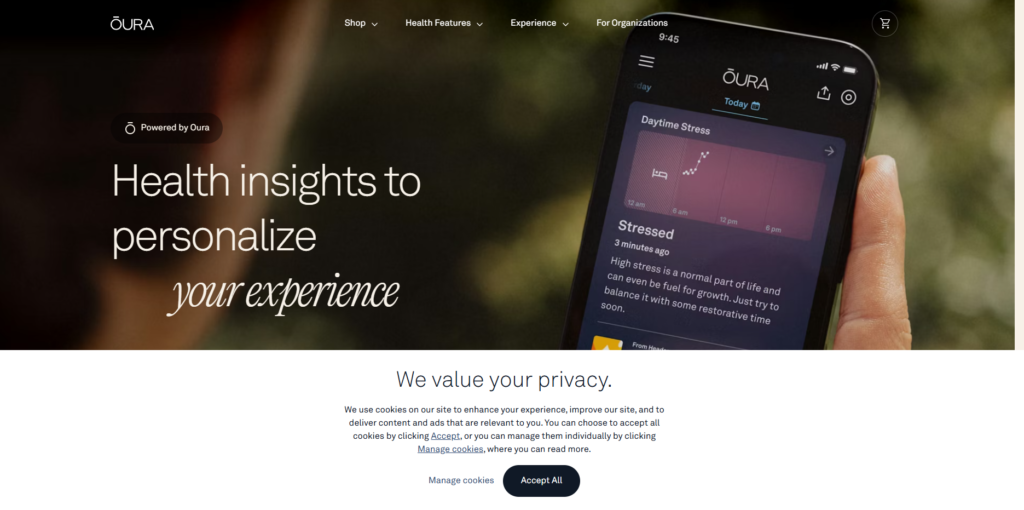
The Oura Ring is a revolutionary wearable device designed to track sleep, readiness, and overall activity using a compact, ring-shaped design. Leveraging advanced sensors, the Oura Ring provides users with detailed insights into their health by monitoring key metrics such as heart rate variability (HRV), body temperature, respiratory rate, and sleep stages. Unlike traditional wearables, Oura focuses on delivering comprehensive health data in a minimalist form, making it perfect for users seeking discreet yet powerful tracking.
Program Details
- Commission rate: Reported around $10 flat per sale on some networks (rates can vary by campaign/tier)
- Cookie duration: Not consistently disclosed across public sources
- Payment terms: Via Impact network, standard monthly cycle
- Network/platform: Impact (formerly Impact Radius)
Pros
- Strong, growing brand in the smart ring category with high consumer trust
- Combines one-time hardware sale with recurring membership revenue story
- Appeals to a premium, highly engaged health-and-wellness audience
Cons
- Selective approval process, not guaranteed for smaller creators
- Commission structure/rate isn’t consistently published, making it harder to evaluate upfront
- Discreet ring form factor may be a harder sell for audiences used to visible smartwatches
Strategies for Maximizing Earnings with Wearable Tech Affiliate Programs
Succeeding in this niche comes down to consistently driving qualified traffic and converting it into sales. Based on our research into what works across top-performing affiliate sites, the following strategies tend to move the needle most:
Content Creation
- Write in-depth reviews comparing popular wearable devices.
- Create engaging “how-to” guides, such as setting up a fitness tracker or maximizing the features of a smartwatch.
- Publish video demonstrations on platforms like YouTube to showcase the usability and features of products.
Search Engine Optimization
- Target high-value keywords like “best fitness trackers of 2026” or “top smartwatches for productivity.”
- Optimize your blog posts, product reviews, and landing pages to improve visibility on search engines.
Social Media Marketing
- Share content on Instagram, Facebook, and Twitter to highlight the features of wearable tech products.
- Collaborate with influencers in niches like fitness, tech, or lifestyle to expand your reach.
Email Marketing
- Build an email list of health enthusiasts, tech fans, or gamers and send them regular updates about the latest wearable tech products.
- Share exclusive affiliate offers and discounts to encourage conversions.
Leverage Affiliate Tools
- Use affiliate dashboards to track your performance and identify which products or campaigns generate the most income.
- Deploy retargeting ads to re-engage potential buyers who visited your site but didn’t make a purchase.
Conclusion
Wearable tech affiliate programs remain one of the strongest niches to build a content business around in 2026, spanning everything from established leaders like Garmin, Samsung, and Fitbit to newer categories like Oura’s smart ring and RayNeo’s AR glasses. There’s no single “best” program; fitness-first audiences tend to convert well with Garmin, Fitbit, and Polar, while wellness and biohacking readers respond better to WHOOP and Oura, despite their flat or lower payouts.
Commission rates here are generally modest, so earnings depend more on average order value and content volume than chasing the highest percentage. Success ultimately comes down to the same fundamentals: honest reviews, content built around real buying questions, and transparency about affiliate relationships.
Frequently Asked Questions (FAQs)
What is the average commission rate for wearable tech affiliate programs?
Most wearable tech affiliate programs pay between 1% and 20% per sale. Premium wellness brands like RedHealth offer higher rates (around 20%), while major electronics brands like Samsung and Apple tend to pay in the 1%–8% range. Subscription-based wearables like WHOOP often use flat per-signup payouts instead of a percentage.
Which wearable tech affiliate programs offer recurring commissions?
WHOOP and Oura Ring both come with a subscription component, giving affiliates exposure to ongoing membership revenue beyond the initial hardware sale. RedHealth also offers a second-tier commission structure, paying 5% on sales made by affiliates you refer.
Are there entry requirements to join these affiliate programs?
Most programs are beginner-friendly and only require a live website, blog, or active social media presence. That said, brands like Fitbit and Garmin tend to favor applicants with established traffic and relevant content, so newer sites may face delays or rejection.
Which wearable tech affiliate programs are best for fitness-focused audiences?
Garmin, Fitbit, Polar, and WHOOP are the strongest fits for fitness and health-conscious audiences, thanks to their focus on activity tracking, heart rate monitoring, and recovery data.
Does Apple’s affiliate program pay commission on the Apple Watch?
No. Apple’s official Performance Partners Program only pays commission on Apple Services, Apple Music, Apple TV+, Apple Podcasts, and iTunes content like movies and books. It does not include Apple Watch or other hardware sales.
What cookie duration should affiliates look for in this niche?
Cookie durations for wearable tech programs typically range from 14 to 45 days. Since wearables are often a researched, considered purchase, programs with 30 days or longer (like Garmin, WHOOP, and Fitbit on some networks) give affiliates a better chance of earning credit for the sale.
What’s the best strategy to promote wearable tech products?
In-depth product reviews, side-by-side comparison guides, and video demonstrations tend to convert best, especially when paired with SEO-optimized content targeting specific buying questions.
Can affiliates earn more during product launches or seasonal sales?
Yes. Many wearable tech brands increase commissions or offer bonus incentives during new product launches and holiday shopping periods, giving affiliates a chance to boost earnings around those windows.
