


Best In-Text Advertising Networks can help you, as a publisher, earn good revenue from your website or blog by monetizing the content your readers love. It is absolutely possible!
In-text advertising is one of the most effective ways to monetize your website content without disrupting the user experience. Even if you’re new to contextual ads, affiliate link monetization, or content monetization networks, don’t worry; we’ll guide you through everything. As contextual advertising technology continues to improve in 2027, in-text ad networks have become smarter, more relevant, and more profitable.
Advanced AI targeting now helps match users with highly relevant offers based on page context, search intent, and behavioral signals, leading to higher click-through rates (CTR) and better publisher earnings. Whether you run a niche blog, review website, news portal, educational platform, or affiliate content site, the right in-text advertising network can create an additional revenue stream without requiring additional traffic. In this guide, we’ll explore the Best In-Text Advertising Networks in 2027, including payment details, features, pros and cons, and which publishers benefit most from each platform.
What Is In-Text Advertising?
In-text ads are a type of online advertisement that appears directly within your website’s written content. As the name implies, these ads appear between words or sentences on a blog post or webpage. They usually appear as highlighted or double-underlined keywords that stand out slightly from normal text.
When a visitor hovers over the highlighted word, a small ad box may pop up with additional information. In some cases, clicking the word redirects the user to the advertiser’s website. If the visitor makes a purchase or completes a specific action, you earn a commission or fee. This format allows you to monetize your content without adding extra banners or disrupting the layout.
How Does It Help The Publishers?
In-text advertising offers several advantages for publishers and bloggers looking to monetize their content effectively. One of the biggest benefits is maximum space utilization, as these ads are embedded within existing text, leaving room for banners, images, or other valuable content. They also enhance the user experience because they are subtle, relevant, and only activate when a user interacts with them. Since the linked keywords are directly related to your content, the ads feel natural rather than intrusive.
Another major advantage is precise audience targeting: ad links are selected based on the actual words in your content, making them highly relevant to readers. This ensures that visitors see promotions aligned with their interests. In-text ads are also easy to integrate, often requiring only simple link generation or a lightweight code snippet. Overall, they provide a seamless way to generate revenue without disrupting your website’s design or content flow
Best In-Text Ad Networks in 2027
Here is the list of top in-text ad networks for publishers & bloggers to join in 2026 & 2027.
- EpicAds
- Bitmedia
- MaxValue.Media
- Push. House
- Infolinks
- Skimlinks
- Kontextua
- Sovrn
- LinkWorth
- Magenet
1. EpicAds.Net

EpicAds has rapidly emerged as one of the fastest-growing advertising networks for publishers seeking flexible monetization solutions. While known primarily for push and native advertising, EpicAds also enables publishers to monetize content-driven traffic through contextual ad placements and advanced targeting technologies.
The platform offers strong global coverage, high fill rates, anti-fraud protection, and detailed reporting. Publishers can monetize traffic from various niches, including finance, crypto, dating, gaming, and technology.
Payment Details:
- Minimum payout: $50
- Payment frequency: Weekly or bi-weekly
- Payment methods: PayPal, Wire Transfer, Capitalist, USDT (TRC20)
- Payment terms: Net-7 or Net-15 based on performance
Pros:
- Weekly payment options available
- Strong global advertiser demand
- Multiple monetization formats beyond in-text ads
Cons:
- Relatively newer platform compared to industry veterans
- Some features are more suitable for experienced publishers
- Premium traffic performs significantly better
Best For: EpicAds works best for publishers seeking multiple monetization opportunities beyond traditional in-text advertising. Content sites in finance, crypto, gaming, and dating niches can often achieve stronger revenue performance due to higher advertiser competition.
2. Bitmedia
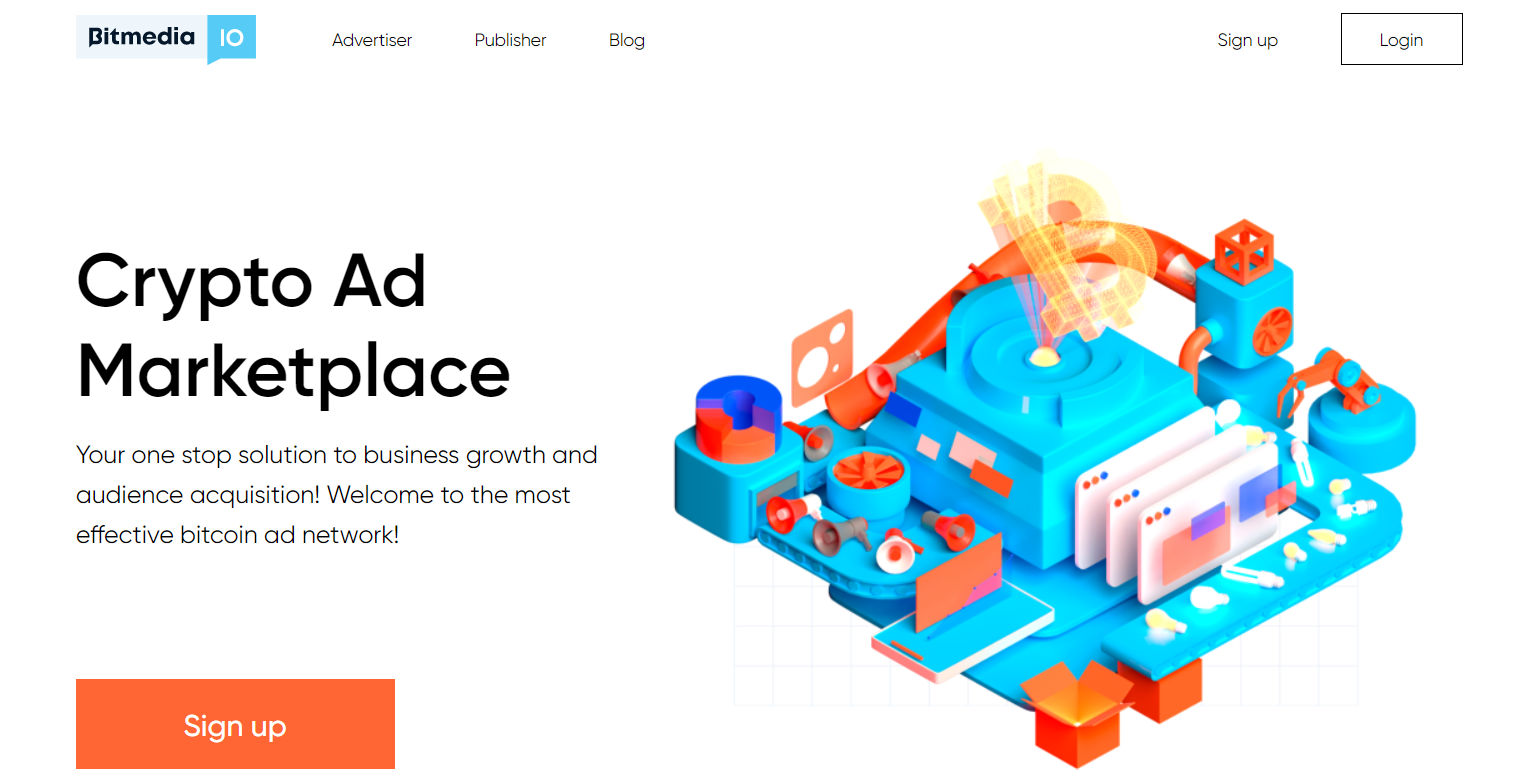
Bitmedia is one of the most established crypto advertising networks in the industry. Founded in 2015, the platform specializes in blockchain, cryptocurrency, Web3, NFT, and fintech traffic.
Unlike general-purpose ad networks, Bitmedia delivers highly targeted crypto-related campaigns, helping publishers maximize earnings from niche audiences. The platform serves billions of impressions monthly and supports advanced AI-driven ad optimization.
Payment Details:
- Pricing models: Flexible CPM-based options
- Payment method: Bitcoin is supported for all transactions
- Minimum payout for publishers: 0.001 BTC
- Payment processing: Secure and timely crypto payouts
Pros:
- High CPM rates for crypto traffic
- Dedicated cryptocurrency advertisers
- Fast crypto payments
Cons:
- Limited effectiveness outside crypto niches
- Revenue depends heavily on crypto market activity
- Bitcoin-only payout option
Best For: Bitmedia is ideal for cryptocurrency blogs, blockchain news portals, NFT websites, and Web3 communities. Publishers with crypto-focused audiences often achieve significantly higher CPM rates than traditional advertising networks.
3. MaxValue.Media
MaxValue.Media focuses on premium website monetization through header bidding technology, contextual advertising, and advanced yield optimization. The platform works primarily with established publishers that generate high-quality traffic from Tier-1 countries.
Its technology connects websites to multiple premium demand partners simultaneously, helping publishers maximize competition for ad inventory and improve overall earnings.
Payment Details:
- Minimum payout: $25
- Payment terms: Net-15
- Payment methods: PayPal, Payoneer, Wire Transfer
- Cryptocurrency payments: Supported
Pros:
- Higher CPMs than many standard ad networks
- Access to premium advertisers
- Strong optimization technology
Cons:
- Requires approximately 100,000 monthly pageviews
- Primarily focused on Tier-1 traffic
- Not suitable for brand-new websites
Best For: MaxValue.Media is best suited for established publishers with significant traffic from the United States, United Kingdom, Canada, and Australia. Sites focused on finance, technology, business, and premium content often see the strongest results.
4. Push. House
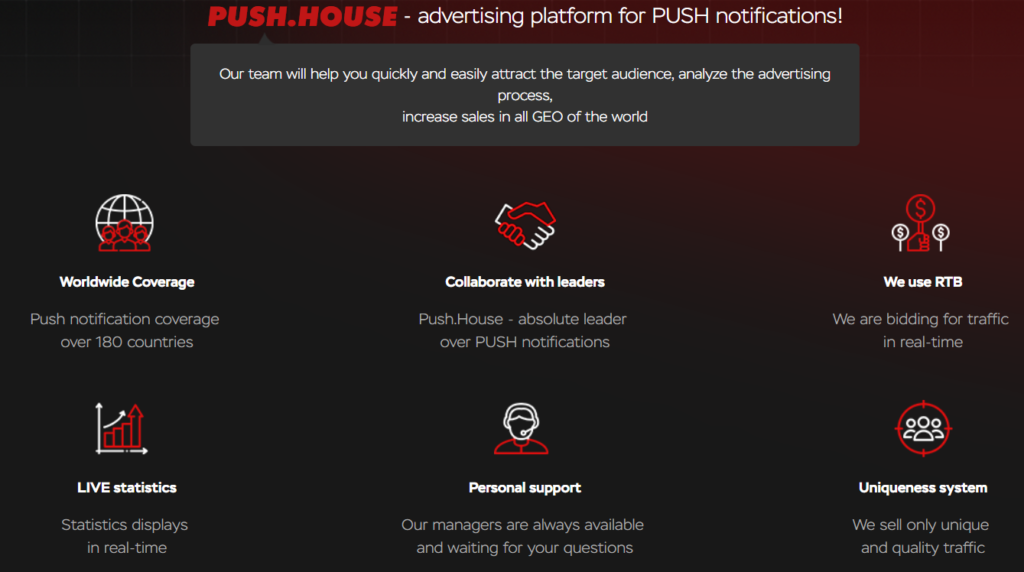
Push.House is primarily known as a push notification advertising platform, but it has evolved into a broader monetization ecosystem supporting content-driven publishers worldwide.
Its in-page push advertising format allows publishers to generate revenue without relying solely on traditional display ads. The platform reaches audiences across more than 180 countries and offers advanced audience segmentation capabilities.
Payment Details:
- Pricing models: CPC and CPM
- Payment frequency: NET-7 (Weekly)
- Minimum payout: $50
- Payment methods: PayPal, Payeer, ePayments, WebMoney, QIWI, Visa/Mastercard, Advcash, Bitcoin
- Referral commission: 3%
Pros:
- Excellent global traffic monetization
- Fast approval process
- Multiple payout options including cryptocurrency
Cons:
- Push ads may not fit every website type
- Lower earnings for certain niches
- Requires optimization to maximize revenue
Best For: Push.House works particularly well for entertainment websites, download platforms, technology blogs, and publishers with large international audiences seeking alternative monetization methods.
5. Infolinks

Infolinks is one of the most recognized in-text advertising networks and remains a top choice for publishers in 2026 & 2027. Founded in 2007, the platform specializes in contextual advertising that integrates naturally within website content. Instead of relying on traditional banner ads, Infolinks analyzes page content in real time and serves highly relevant ads based on keywords and user intent.
The network works with more than 100,000 publishers worldwide and is fully compatible with Google AdSense and other advertising platforms. Its lightweight implementation, strong contextual targeting, and multiple ad formats make it particularly attractive for bloggers and content-heavy websites looking to diversify revenue streams.
Payment Details:
- Minimum payout: $50
- Payment frequency: Net-45
- Payment methods: PayPal, Payoneer, Wire Transfer
- Referral program: 10% revenue share
Pros:
- Extremely easy to implement
- Works alongside Google AdSense
- No minimum traffic requirements
Cons:
- Lower earnings for low-CPC niches
- Net-45 payment schedule is relatively long
- Some users may dislike hover-based ads
Best For: Infolinks is best suited for blogs, educational websites, tutorials, and content-rich platforms that publish long-form articles. Publishers looking for beginner-friendly monetization without changing site layouts often find Infolinks an excellent starting point.
6. Skimlinks
Skimlinks is one of the largest commerce content monetization platforms available today. Rather than serving traditional ads, it automatically converts eligible product mentions into affiliate links, allowing publishers to earn commissions whenever readers make purchases.
Trusted by more than 60,000 publishers globally, Skimlinks provides access to thousands of merchant programs through a single integration. This significantly reduces affiliate management workload while helping publishers maximize earnings from existing content.
The platform is especially valuable for product review websites, buying guides, lifestyle blogs, and technology publications where product recommendations naturally appear throughout content.
Payment Details:
- Minimum payout: $65
- Payment frequency: Net-30
- Payment methods: PayPal, Wire Transfer
- Referral program: Commission from referred publishers
Pros:
- Generates passive affiliate income
- Requires minimal maintenance
- Access to premium merchant partnerships
Cons:
- Earnings depend on purchase conversions
- Not suitable for non-commercial content
- Higher payout threshold than many competitors
Best For: Skimlinks works best for product review websites, technology blogs, lifestyle publications, travel blogs, and affiliate marketers who regularly mention products, software, or services within their content.
7. Kontextua
Kontextua is a specialized in-text advertising platform that has built a strong reputation among international publishers. The network focuses on contextual advertising solutions that integrate directly within content while maintaining a clean user experience.
One of Kontextua’s most attractive features is its lack of a minimum payout threshold, making it accessible to smaller publishers and newer websites. The platform also supports multiple languages and various monetization models, allowing publishers to maximize earnings across diverse traffic sources.
Payment Details:
- Minimum payout: None
- Payment frequency: Flexible
- Payment methods: PayPal, Wire Transfer, Cryptocurrency
- Pricing models: CPC and CPM
Pros:
- No payout threshold
- Supports global traffic
- Easy integration process
Cons:
- Smaller advertiser pool than major competitors
- Limited brand recognition
- Revenue varies significantly by geography
Best For: Kontextua is ideal for small publishers, multilingual websites, and bloggers seeking an alternative to larger contextual advertising networks while maintaining flexibility in payment and implementation.
8. Sovrn
Sovrn, formerly known as VigLink, combines contextual advertising with affiliate monetization to help publishers maximize revenue from existing content. The platform automatically transforms product mentions into affiliate opportunities while also supporting traditional monetization formats.
One of Sovrn’s biggest strengths is its ability to generate earnings without requiring publishers to manually join individual affiliate programs. The platform handles merchant relationships, link management, and commission tracking automatically.
In addition to monetization, Sovrn offers advanced analytics that help publishers identify high-performing products, links, and content categories.
Payment Details:
- Minimum payout: $25
- Payment frequency: Net-30
- Payment methods: PayPal, Wire Transfer
- Pricing models: CPC, CPA
Pros:
- Low payout threshold
- Automated affiliate management
- Strong reporting capabilities
Cons:
- Affiliate earnings depend on conversions
- Less effective for informational content
- Some merchants offer lower commission rates
Best For: Sovrn is best for publishers running review sites, technology blogs, buyer guides, niche product websites, and content platforms that frequently mention products and services.
9. LinkWorth
LinkWorth is a long-standing advertising network specializing in contextual link advertising and sponsored content opportunities. The platform allows advertisers to rent keywords within publisher content, creating monetized links that blend naturally into articles and webpages.
Unlike many modern contextual networks, LinkWorth offers publishers greater control over link placements, advertiser relationships, and monetization settings. This flexibility appeals to experienced publishers seeking more direct control over their revenue strategies.
Payment Details:
- Minimum payout: $50
- Payment frequency: Monthly
- Payment methods: PayPal, Wire Transfer
- Referral program: Percentage of referred publisher earnings
Pros:
- Strong contextual monetization
- Additional sponsored content opportunities
- Greater publisher control
Cons:
- Smaller advertiser marketplace
- Higher payout threshold
- Limited appeal for beginner publishers
Best For: LinkWorth is best for established blogs, authority websites, and niche publishers seeking contextual monetization combined with sponsored content revenue opportunities.
10. Magenet

Magenet is a well-established contextual advertising platform that has been helping publishers monetize content since 2007. The network focuses on delivering highly relevant contextual advertisements that blend naturally with website content, creating a better experience for users while generating consistent revenue for publishers.
With more than 87,000 publishers worldwide, Magenet offers both automated and manual monetization options. Its contextual targeting technology helps match advertisers with relevant content, increasing engagement and improving click-through rates.
The platform is particularly popular among bloggers, niche content publishers, and website owners seeking non-intrusive monetization methods that work alongside other advertising solutions.
Payment Details:
- Minimum payout: $50
- Payment frequency: Monthly
- Payment methods: PayPal, Wire Transfer
- Referral program: 10% of referred publisher earnings
Pros:
- Strong contextual targeting
- Easy implementation process
- Works well alongside other ad networks
Cons:
- Limited advertiser demand compared to larger networks
- Monthly payment schedule only
- Revenue depends heavily on content quality
Best For: Magenet is ideal for bloggers, niche publishers, educational websites, and content-heavy platforms looking for an additional monetization layer without negatively affecting user experience.
How to Choose the Best In-Text Advertising Network?
Not every in-text advertising network performs equally across all websites. The best choice depends on your content type, audience demographics, traffic volume, and monetization goals.
Before joining an in-text ad network, consider:
- Traffic Quality: Advertisers value engaged visitors more than raw pageviews. Websites with loyal audiences and strong engagement metrics typically earn higher CPC rates.
- Content Niche: Certain niches such as finance, software, cryptocurrency, business, technology, and health generally attract higher-paying advertisers.
- Geographic Distribution: Traffic from the United States, Canada, the United Kingdom, and Australia often generates significantly higher advertising revenue than many other regions.
- Monetization Model: Some platforms focus on CPC earnings, while others generate revenue through affiliate commissions or CPA conversions. Choose a model that aligns with your content strategy.
- User Experience: Avoid overloading content with monetized links. Maintaining reader trust should remain a priority for long-term SEO and audience growth.
Conclusion
In-text advertising remains one of the most effective content monetization strategies available to publishers in 2026 & 2027. Unlike intrusive advertising formats, in-text ads work naturally within existing content, helping publishers generate revenue while maintaining a positive user experience.
Whether you choose EpicAds for flexible monetization, Infolinks for contextual advertising, Skimlinks for affiliate-driven revenue, or Sovrn for automated commerce monetization, success depends on selecting a network that aligns with your audience and content strategy.
The most successful publishers often test multiple platforms, monitor performance metrics, and optimize placements over time. By leveraging the best in-text advertising networks, you can transform existing content into a sustainable revenue stream while continuing to provide value to your readers.
Frequently Asked Questions (FAQs)
What are in-text ad networks?
In-text ad networks place ads within a website’s content, typically as clickable links or keywords that generate revenue when clicked.
How do in-text ads generate revenue?
In-text ads earn money through a pay-per-click model. When users click ad links in the text, publishers receive a commission.
Are in-text ads suitable for beginners?
Yes, in-text ads are beginner-friendly. They’re easy to integrate and don’t require advanced technical skills to start earning.
Do in-text ads affect user experience?
In-text ads are usually unobtrusive, blending into the content without disrupting the reader’s experience, but too many ads can be distracting.
What should I consider when choosing an in-text ad network?
Look for a network with reliable payouts, good tracking systems, and a high reputation among publishers to ensure consistent earnings.
