


Are you looking to boost your website’s monetization strategy? Pop-up advertising could be the solution. This highly effective method captures visitors’ attention in real time, increasing engagement, clicks, and overall ad revenue.
Pop-Up Ad Networks are advertising platforms that display ads in separate browser windows or overlays when users visit, click, or interact with a website. These networks help publishers maximize revenue by monetizing traffic through high-visibility ad formats while advertisers gain increased exposure and engagement.
The best pop-up ad networks in 2026 and 2027 are EpicAds, Adcash, PropellerAds, PopAds, AdMaven, RevenueHits, Clicksor, Media.net, InMobi, Revive Adserver, Adsterra, BidVertiser, AdClickMedia, Ezoic, and Advidi. The right choice depends on your traffic volume, content niche, acceptable ad format aggressiveness, and how quickly you need access to your earnings. Based on our research and evaluation of the current pop-up advertising landscape, this guide breaks down the 15 best pop-up ad networks in 2026 and 2027.
What Is Pop-Up Advertising?
Pop-up advertising displays a promotional message, offer, or ad in a separate layer that appears over a website’s main content, capturing visitor attention at a specific moment in the browsing session rather than competing passively with other page elements.
According to publicly available information across leading publisher platforms, pop-up ads take several distinct forms: lightbox overlays, modal windows, full-screen interstitials, exit-intent popups that trigger when a user moves toward closing the tab, scroll-triggered popups that appear after a reader has engaged with content, and popunder ads that open in a background browser tab without interrupting the current page view.
Each format serves a different purpose and carries a different risk-to-reward profile for publishers. Understanding which format fits your audience’s tolerance level is as important as choosing the right network, and industry feedback suggests the publishers who earn the most from pop-up advertising are those who match format aggressiveness to audience expectations rather than defaulting to the highest-CPM option regardless of user experience impact.
How Does Pop-Up Advertising Work?
Pop-up advertising utilizes various targeting methods to ensure ads reach the right audience. When you join a pop-up ad network, you’ll provide information about your website and its traffic characteristics. This information helps the network match your site with relevant advertisers. Public discussions commonly highlight three targeting methods that make pop-up advertising more effective than many publishers expect:
- Behavioral Targeting: Serves ads based on what a visitor has previously browsed, meaning a reader who recently searched for travel insurance sees travel-related pop-ups rather than unrelated generic display content.
- Geolocation Targeting: Adjusts pop-up content and language based on where a visitor is physically located, a meaningful revenue driver because Tier-1 traffic (US, UK, Canada, Australia) consistently commands 3–8x higher CPM rates than equivalent Tier-2 or Tier-3 impressions on the same network.
- Demographic Targeting: Allows advertisers to select specific age brackets, gender profiles, and interest categories, producing more relevant ads that convert better for advertisers and therefore command higher bid rates that translate into stronger publisher CPMs.
For publishers looking to understand the broader ad format landscape before deciding on pop-ups specifically, our display ad networks guide covers alternative formats worth comparing.
What Should Publishers Look for in a Pop-Up Ad Network?
From an editorial perspective, four factors consistently separate pop-up ad networks that deliver sustainable publisher revenue from those that maximize short-term CPMs at the cost of long-term traffic quality.
Fill rate and global coverage: A high fill rate ensures every pop-up impression generates some revenue rather than serving a blank slot. Networks with 190+ country coverage avoid the dead zones that reduce earnings from diverse geographic audiences.
Payout threshold and frequency: A $5 minimum with weekly payments serves publishers differently than a $100 minimum with monthly payments. Early-stage publishers should prioritize lower thresholds and faster cycles to maintain cash flow during growth phases.
Format flexibility and frequency controls: The best networks allow publishers to set display frequency limits (e.g., one pop-up per visitor per 24 hours), choose between popunder and pop-up formats, and adjust timing triggers — giving publishers control over user experience impact alongside raw CPM maximization.
Anti-fraud protection: Invalid traffic and bot impressions on pop-up networks are a persistent problem. Networks with active bot detection protect publisher accounts from invalid traffic penalties while ensuring advertiser spend and therefore publisher payouts reflect genuine human engagement.
How Do Pop-Up Ads Differ from Popunder, Interstitial, and Push Notification Ads?
This is one of the most common questions publishers ask before choosing a network, and based on our research, the differences matter practically as much as technically. Pop-up ads appear over the active page content in the same browser tab, immediately visible and impossible to miss without closing. Maximum attention capture but highest disruption to reading flow.
Popunder ads open in a new background tab behind the current page, discovered by the visitor only when they close the foreground tab. Lower immediate disruption but frequently associated with ad blocker triggers and user complaints in publisher communities. Interstitial ads are a full-screen format displayed between page views or content transitions; extremely visible, but the format Google penalizes most directly in its mobile search ranking signals when implemented intrusively on smartphones.
Push notification ads (covered in our push notification ad networks guide) deliver messages directly to subscriber devices outside the browser session, with no page disruption at all, but require opt-in from visitors before impressions can be served.
Advantages of Pop-Up Ad Networks
Pop-up advertising offers several advantages over traditional ad formats, including:
- High Engagement Rates: Pop-up ads grab user attention instantly, resulting in higher click-through and engagement rates than traditional display ads.
- Strong Revenue Potential: Many pop-up networks offer competitive CPM, CPC, and CPA payouts, helping publishers maximize earnings.
- Advanced Targeting: Advertisers can target users based on location, device, interests, and behavior for better conversion rates.
- Flexible Monetization Models: Publishers can choose from multiple payment models, including CPC, CPM, and CPA, based on their goals.
- Easy Integration: Pop-up ads can work alongside display, native, video, and push notification ads to increase overall revenue.
Best Pop-Up Ad Networks 2027
Here is a list of 15 best pop-up ad networks in 2026 and 2027, selected based on publisher earnings, ad quality, targeting capabilities, global reach, payment reliability, and overall monetization performance.
- EpicAds
- Adcash
- PropellerAds
- PopAds
- AdMaven
- RevenueHits
- Clicksor
- Media.net
- InMobi
- Revive Adserver
- Adsterra
- BidVertiser
- AdClickMedia
- Ezoic
- Advidi
1. EpicAds
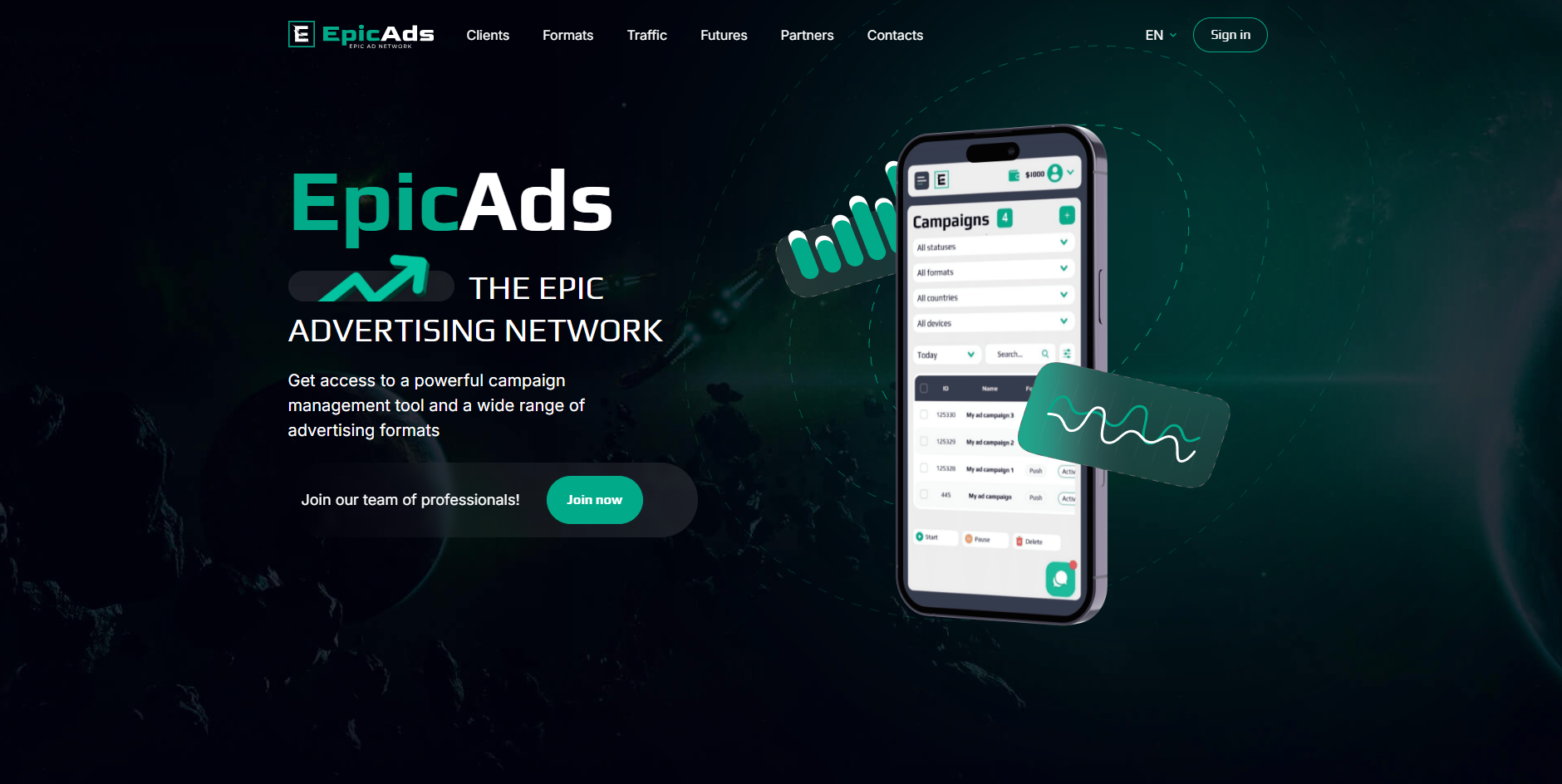
EpicAds.Net, founded in 2023, is a fast-growing performance ad network supporting native, push, popunder, InPage, and OnClick ad formats across dating, nutra, crypto, gambling, and sweepstakes verticals. Based on our research, EpicAds has built a strong early reputation through its transparent anti-fraud system, dedicated account managers who actively support publisher optimization, and a 5% lifetime referral program that adds passive income alongside primary display revenue.
Its multi-format support gives niche publishers the flexibility to test which combination of push and popunder delivers the strongest CPM for their specific audience without switching networks.
Payment Details:
- Minimum Payout: $20
- Payment Methods: PayPal, Wire Transfer, Crypto (USDT TRC20), Capitalist
- Payment Frequency: Weekly (Net-7) and Bi-weekly (Net-15)
- Supported Currency: USD
Pros:
- Weekly Net-7 payment option gives publishers faster access to earnings than most competing networks on this list important for publishers managing cash flow during audience growth phases.
- 5% lifetime referral commission creates meaningful passive income for publishers who refer other content creators to the platform alongside primary CPM revenue.
- Dedicated account managers provide personalized optimization guidance that smaller publishers rarely receive from larger automated networks where they are one of thousands.
Cons:
- Best suited for specific verticals like dating, nutra, and crypto; general content publishers in education, lifestyle, or professional niches may see significantly lower fill rates and weaker CPMs
- $20 minimum payout, while accessible, is higher than Adsterra’s $5 and PropellerAds’ $5 minimums, less suited to very low-traffic sites generating minimal monthly impressions
Best For: Niche publishers in dating, crypto, nutra, and gambling verticals who want multi-format popunder and push monetization and dedicated account support.
2. Adcash
Adcash, founded in 2007 and headquartered in Tallinn, Estonia, is a global advertising network serving publishers across 196 countries through native, display, push, interstitial, and popunder ad formats. Industry feedback suggests Adcash stands out from competing pop-up networks because of its built-in anti-Adblock technology a tool that serves alternative ads to visitors running blockers, recovering revenue that would otherwise be completely lost for publishers whose audiences include tech-savvy Adblock users.
Its automated CPM optimization adjusts bids in real time to maximize publisher revenue without requiring manual campaign management.
Payment Details:
- Minimum Payout: $25
- Payment Methods: PayPal, Payoneer, Wire Transfer, Bitcoin, Skrill
- Payment Frequency: Daily or Monthly
- Supported Currency: USD, EUR
Pros:
- Built-in anti-Adblock technology recovers revenue from visitors running ad blockers, a meaningful income boost for publishers whose tech or gaming audiences have high Adblock adoption rates.
- Daily on-request payment option gives publishers maximum cash flow flexibility; earnings are accessible the same day a withdrawal is requested rather than waiting for fixed billing cycles.
- 196-country coverage with automated geo-optimized CPM ensures strong fill rates across diverse international traffic, including Tier-2 and Tier-3 audiences that many networks monetize poorly.
Cons:
- Some aggressive ad formats available on Adcash, particularly popunders and interstitials, can increase bounce rates and negatively impact Core Web Vitals scores for SEO-focused publishers.
- Advanced campaign optimization features, including custom bid targeting and anti-fraud settings, have a learning curve for publishers unfamiliar with performance-based ad management concepts.
- Daily payment availability depends on meeting minimum thresholds consistently; publishers with very low traffic may find the daily option practically inaccessible until monthly earnings stabilize.
Best For: Publishers with diverse global traffic who want anti-Adblock revenue recovery, daily on-request payment flexibility, and automated CPM optimization across multiple ad formats, including popunder and interstitial.
For publishers focused specifically on CPC rather than CPM pop-up monetization, our best CPC ad networks guide covers complementary performance-based options.
3. PropellerAds
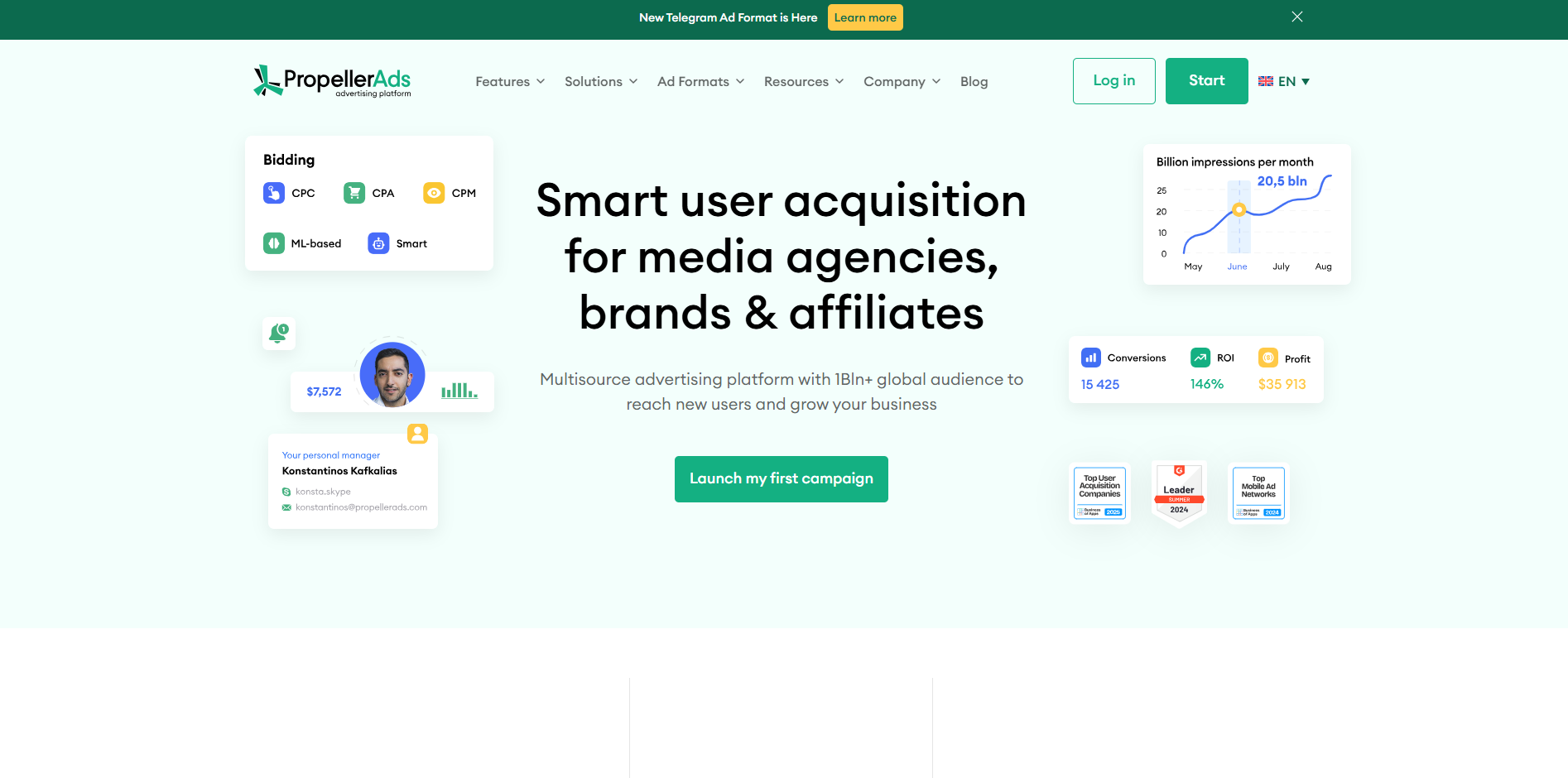
PropellerAds, founded in 2011 and headquartered in Limassol, Cyprus, is one of the most widely recognized performance ad networks globally, delivering over 12 billion daily impressions across 195+ countries to 150,000+ publishers through push, popunder, interstitial, and native ad formats. According to publicly available information, PropellerAds’ AI-powered traffic optimization automatically maximizes CPM rates without requiring manual campaign adjustments, making it the most accessible entry point for publishers new to pop-up advertising who want strong results without spending hours on optimization.
Payment Details:
- Minimum Payout: $5
- Payment Methods: PayPal, Payoneer, Bitcoin, WebMoney, Bank Transfer, Skrill
- Payment Frequency: Weekly (every Thursday)
- Supported Currency: USD
Pros:
- $5 minimum payout with a weekly Thursday payment cycle gives publishers the fastest and most accessible earnings access of any major pop-up network on this list.
- Instant approval with no minimum traffic requirement allows publishers of any size to begin earning from popunder and push formats from their first day of implementation.
- AI-powered traffic optimization continuously improves CPM rates across geographic tiers without requiring manual bid management from publishers focused on content creation.
Cons:
- Popunder and interstitial formats can significantly increase bounce rates and reduce Core Web Vitals scores, which may negatively affect Google search rankings for SEO-dependent publishers.
- Average CPM rates are lower than premium specialized networks for the same Tier-1 traffic. PropellerAds compensates through volume, global reach, and format variety rather than per-impression rate leadership.
- Dashboard complexity, including AI bidding parameters, SmartBid settings, and anti-fraud configuration, may feel overwhelming for non-technical publishers seeking a simple setup process.
Best For: New publishers and bloggers of any size who want the lowest entry barrier ($5 minimum, instant approval) and consistent weekly pop-up revenue from one of the most established and trusted ad networks in the industry.
4. PopAds
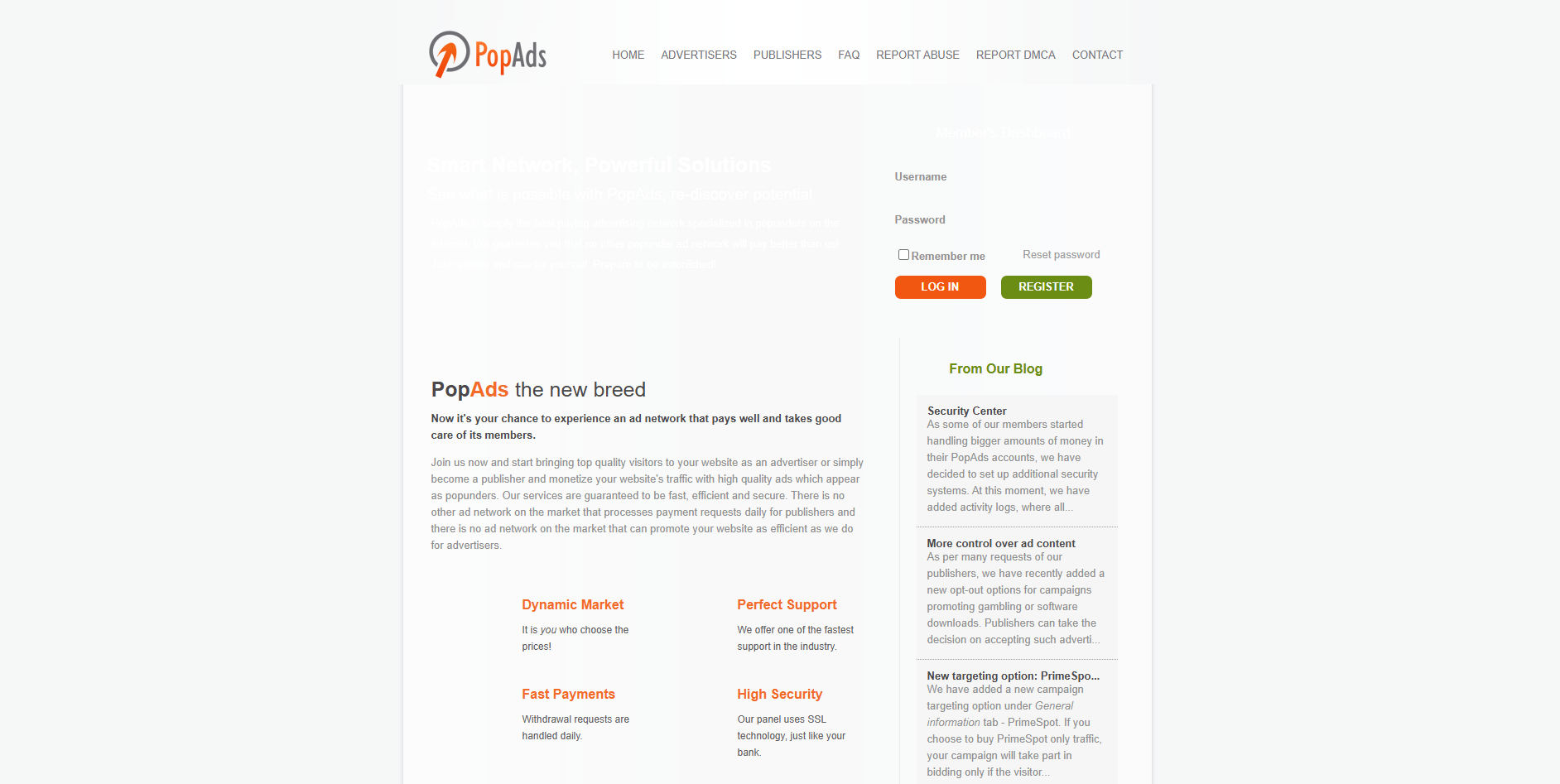
PopAds, founded in 2010 and headquartered in London, United Kingdom, is a specialist pop-under advertising network with a real-time bidding system built specifically to maximize publisher revenue from pop-under and pop-up formats. User reviews indicate PopAds’ most distinctive feature is its daily on-request payment option with a $5 minimum, giving entertainment and gaming publishers daily access to earnings without waiting for fixed weekly or monthly billing cycles.
Its instant approval process and no minimum traffic requirement make it one of the most accessible specialist pop-up networks for publishers at any stage.
Payment Details:
- Minimum Payout: $5
- Payment Methods: PayPal, Payoneer, WebMoney, Wire Transfer
- Payment Frequency: Daily (on request)
- Supported Currency: USD
Pros:
- Daily on-request payment with a $5 minimum is the most accessible fast-payment combination available.
- Real-time bidding technology ensures publishers receive the maximum available CPM for every popunder impression based on live advertiser demand rather than fixed-rate pricing.
- Instant approval with no minimum traffic requirement removes the onboarding barriers that prevent smaller publishers from accessing pop-up monetization through larger competing networks.
Cons:
- Exclusively focused on popunder and popup formats, publishers who need native, display, push, or video ad options require additional networks to cover alternative monetization channels
- Popunder format is among the most aggressive in digital advertising; implementation without frequency controls can significantly increase bounce rates and reduce audience trust and return visit rates.
- Strong entertainment, gaming, and streaming niche alignment means the network performs significantly worse for professional, educational, or B2B publishers whose audiences have less tolerance for disruptive formats.
Best For: Entertainment, gaming, streaming, and high-traffic utility publishers who want daily on-request earnings, a $5 minimum payout, and strong popunder CPM rates from audiences already accustomed to this ad format.
5. AdMaven
AdMaven, founded in 2015 and headquartered in Tel Aviv, Israel, is a versatile performance ad network delivering 1.5 billion+ daily impressions across push, popunder, interstitial, native, and banner formats. Based on our research, AdMaven’s advanced anti-Adblock solution is its most distinctive feature for publishers with tech or developer audiences, recovering the 15–30% of revenue typically lost to ad-blocking software by serving compliant alternative formats to visitors who would otherwise generate zero earnings.
Payment Details:
- Minimum Payout: $50
- Payment Methods: PayPal, Bitcoin, Paxum, Wire Transfer, Payoneer
- Payment Frequency: Weekly (Net-7)
- Supported Currency: USD
Pros:
- Advanced anti-Adblock technology recovers a meaningful percentage of revenue from ad-blocking visitors, particularly valuable for tech, software, and developer publisher audiences with high Adblock adoption rates.
- Weekly Net-7 payment schedule provides faster earnings access than monthly alternatives while maintaining a reliable, predictable billing cycle for cash flow planning.
- Strong global CPM rates across both Tier-1 and Tier-2 geographic audiences ensure publishers with diverse international traffic earn competitively across all markets.
Cons:
- $50 minimum payout is higher than beginner-accessible alternatives like Adsterra ($5) and PropellerAds ($5); lower-traffic publishers may wait multiple billing cycles before reaching their first withdrawal threshold
- Some ad formats, including popunders and full-screen interstitials, can negatively impact Core Web Vitals scores and Google page experience signals.
- The platform dashboard, including RTB configuration, anti-fraud settings, and format optimization, has a learning curve for publishers who prefer a simple plug-and-play integration over a configurable system.
Best For: Tech, software, developer, and gaming publishers whose audiences have high Adblock adoption rates where anti-Adblock revenue recovery from AdMaven provides a meaningful earnings advantage over standard pop-up networks.
6. RevenueHits
RevenueHits, founded in 2008 and headquartered in Tel Aviv, Israel, is a performance-based advertising network that pays publishers on CPA, CPL, and CPM models using smart offer-matching algorithms. Our analysis found RevenueHits is particularly effective for niche publishers who generate moderate but highly targeted traffic because its performance-based approach rewards audience quality and conversion intent over raw impression volume alone.
Payment Details:
- Minimum Payout: $20
- Payment Methods: PayPal, Payoneer, Wire Transfer, Bitcoin
- Payment Frequency: Net-30 (monthly)
- Supported Currency: USD
Pros:
- No minimum traffic requirement combined with a $20 PayPal minimum payout makes RevenueHits one of the most accessible performance-based pop-up networks for publishers at any stage.
- Performance-based CPA and CPL models reward engaged niche audiences; publishers with quality targeted traffic often earn more than sites with higher but less intentional impression volumes.
- 100% global fill rate with geo-matched offer selection ensures every ad slot generates some revenue regardless of audience geographic distribution.
Cons:
- Net-30 monthly payment cycle is significantly slower than weekly alternatives; publishers with tight monthly cash flow requirements face a 30+ day wait from earnings generation to receipt
- Performance-based earnings are inherently less predictable than CPM; monthly revenue fluctuates with audience conversion rates rather than providing stable, impression-based income.
- $500 Wire Transfer minimum is the highest on this list and practically inaccessible for small publishers who rely on bank transfer as their only viable payment method
Best For: Niche content publishers with engaged, action-oriented audiences who want a no-traffic-minimum network that rewards audience quality through performance-based CPA and CPL earnings rather than pure impression volume alone.
7. Clicksor
Clicksor is a long-established contextual advertising network founded in 1999 (as parent company YesUp) and headquartered in Toronto, Canada. It offers in-text, banner, interstitial, and popunder ad formats with contextual targeting technology that matches ads to the specific content and keywords on each publisher’s page. Public discussions commonly highlight Clicksor’s 10% lifetime referral commission as one of the most generous in the pop-up network category, creating meaningful passive income for publishers who actively refer other content creators.
Payment Details:
- Minimum Payout: $50
- Payment Methods: PayPal, Payoneer, Check, Wire Transfer
- Payment Frequency: Net-15
- Referral Commission: 10% lifetime
- Supported Currency: USD
Pros:
- 10% lifetime referral commission is the highest on this list; publishers who refer other content creators build meaningful ongoing passive income that compounds as referrals grow their own earnings.
- Contextual targeting technology matches pop-up ad content to page keywords rather than relying solely on behavioral signals, producing more relevant ads that command stronger CPMs from advertisers.
- Net-15 payment cycle processed every Thursday is faster than monthly networks like Media.net and Ezoic, giving publishers bi-monthly access to earnings rather than waiting a full 30 days.
Cons:
- Based on Tracxn’s company database, Clicksor is listed as a deadpooled company; publishers should verify current operational status directly before investing integration time, as platform activity may be significantly reduced from its peak operational period
- $50 minimum payout is a moderate barrier that delays first earnings for smaller publishers generating limited monthly impressions across their pop-up inventory
- Reporting dashboard and interface are dated compared to modern ad network platforms; publishers accustomed to real-time analytics tools will find Clicksor’s reporting less intuitive than contemporary alternatives
Best For: Content publishers who prioritize contextual ad relevance over raw CPM maximization and want a substantial referral program, provided current operational status is verified directly before integration.
8. Media.net
Media.net, founded in 2010 and headquartered in Dubai and New York, is one of the most reputable contextual ad networks globally, powered by the Yahoo-Bing advertiser network. From an editorial perspective, Media.net’s inclusion on a pop-up network list reflects its broader contextual display and native placements rather than traditional pop-up formats specifically, but its premium advertiser access and dedicated account management make it one of the strongest CPM options for publishers with established Tier-1 organic search traffic who want to layer contextual revenue alongside more aggressive pop-up formats from other networks.
Payment Details:
- Minimum Payout: $100
- Payment Methods: PayPal, Wire Transfer
- Payment Frequency: Net-30 (monthly)
- Supported Currency: USD
Pros:
- Premium Yahoo-Bing advertiser access delivers above-average CPM rates for publishers with high-intent English-language organic search traffic in business, finance, and technology niches.
- Contextual semantic matching ensures ads align with specific page content and visitor search intent, producing engagement rates that outperform behavioral display targeting.
- Dedicated account manager support for approved publishers provides strategic optimization guidance unavailable from self-serve networks.
Cons:
- $100 minimum payout with a Net-30 cycle creates a 60–90 day wait before new publishers receive their first meaningful payment, the most restrictive payment structure on this list alongside AdClickMedia.
- Selective approval process strongly favors English-language websites with established Tier-1 traffic; publishers with primarily Tier-2 or non-English audiences face consistent rejection.
Best For: Established English-language publishers in finance, business, and technology niches with strong organic Tier-1 search traffic who want premium contextual CPM rates as a complement to more aggressive pop-up formats from other networks on this list.
9. InMobi
InMobi, founded in 2007 and headquartered in Bengaluru, India, is a leading mobile-first ad network specializing in native, video, and interstitial ad solutions for app developers and mobile websites globally. Industry feedback suggests InMobi is the strongest option on this list for publishers whose audience is primarily mobile because its interstitial and pop-up formats are specifically engineered for smartphone viewing contexts rather than adapted desktop formats served on mobile screens.
Payment Details:
- Minimum Payout: $50
- Payment Methods: PayPal, Wire Transfer
- Payment Frequency: Net-30 (monthly)
- Supported Currency: USD
Pros:
- Mobile-optimized interstitial and popup formats are purpose-built for smartphone contexts, producing better engagement and higher CPMs for mobile audiences than desktop ad formats poorly adapted for small screens
- High global fill rates across mobile inventory ensure publishers with predominantly mobile traffic monetize every impression rather than serving blank slots between sessions
- Advanced mobile targeting capabilities, including device type, carrier, OS version, and app category, enable precise audience matching that drives stronger advertiser bids for mobile inventory
Cons:
- Primarily serves mobile app and mobile web publishers; desktop-focused content sites will find InMobi’s format optimization less relevant and fill rates weaker than on mobile-first placements.
- Net-30 monthly payment cycle is slower than weekly alternatives; publishers dependent on fast cash flow will find the monthly schedule a significant limitation
- $50 minimum payout combined with Net-30 cycle means new mobile publishers wait at least 60 days before receiving their first payment, a meaningful delay for publishers just beginning to monetize mobile traffic
Best For: Mobile app developers, mobile-first websites, and publishers with predominantly smartphone audiences who want purpose-built mobile interstitial and popup formats with strong global mobile fill rates.
10. Revive Adserver
Revive Adserver is an open-source, self-hosted ad server platform that gives publishers complete independent control over their pop-up, display, and video ad placements without paying network fees or commissions to a third-party intermediary. Our analysis found Revive Adserver is fundamentally different from every other option on this list: it is not a network you join but a software platform you install and manage yourself, allowing technically capable publishers to run their own ad server, negotiate direct advertiser deals, and retain 100% of all advertising revenue.
Payment Details:
- Minimum Payout: Self-managed.
- Payment Methods: Determined by publisher’s own advertiser agreements.
- Payment Frequency: Determined by direct deal terms with individual advertisers.
Pros:
- Zero network commission means publishers retain 100% of all advertising revenue, a meaningful income advantage over networks that take 20–40% revenue shares before paying publishers.
- Complete control over ad placement, format selection, frequency capping, and advertiser quality means publishers can implement pop-up advertising precisely as their audience experience strategy requires.
- No account suspension risk from third-party policy violations: publishers are entirely self-governed and cannot lose access to their monetization platform due to a network’s content policy changes.
Cons:
- Requires significant technical expertise to install, configure, and maintain; non-technical publishers face a steep learning curve or require developer support to implement and manage effectively.
- Publishers must independently source, negotiate, and manage direct advertiser relationships, eliminating the turnkey access to thousands of advertisers that network platforms provide automatically.
- No built-in global advertiser demand means smaller publishers without existing brand relationships may struggle to sell inventory at competitive CPM rates compared to network-based alternatives.
Best For: Technically capable publishers, media companies, and agencies with existing direct advertiser relationships who want complete independence, zero revenue sharing, and full control over their pop-up advertising implementation.
11. Adsterra
Adsterra, founded in 2013 and headquartered in Limassol, Cyprus, is one of the most versatile ad networks for publishers globally, delivering 30 billion+ monthly impressions across 248 countries through display, push, popunder, native, and its proprietary Social Bar format. User reviews indicate Adsterra’s $5 minimum payout combined with bi-weekly payment frequency and 100% global fill rate makes it the most accessible major pop-up network for smaller publishers who need earnings quickly without waiting months to reach higher minimum thresholds.
Payment Details:
- Minimum Payout: $5
- Payment Methods: PayPal, Bitcoin, WebMoney, Paxum, Tether (USDT), Wire Transfer
- Payment Frequency: Bi-weekly
- Supported Currency: USD, BTC, USDT
Pros:
- $5 minimum payout with bi-weekly payment frequency is the most accessible payout structure on this list for smaller publishers; earnings become available within two weeks regardless of impression volume.
- 100% global fill rate across 248 countries ensures every pop-up impression generates revenue regardless of audience geographic distribution, with no empty slots losing potential income.
- Unique Social Bar proprietary format provides an alternative to traditional popunders that produces higher engagement rates without the same level of user experience disruption.
Cons:
- Some Adsterra ad formats, including auto-redirect popunders, can trigger Google’s Better Ads Standards violations; publishers should carefully select compliant formats and test Core Web Vitals impact before full deployment
- Bi-weekly rather than weekly payment cycle means publishers wait up to two weeks longer for earnings compared to PropellerAds and AdMaven, which both offer weekly payments
- $100 Wire Transfer minimum creates a meaningful payment method restriction for publishers outside markets where PayPal, crypto, and e-wallets are not viable alternatives
Best For: Publishers of any size needing the lowest accessible payout threshold ($5), reliable bi-weekly earnings, 100% global fill rates, and a choice between standard popunder and the proprietary Social Bar format that balances revenue with user experience.
For bloggers specifically looking to combine pop-up revenue with display monetization, our best ad networks for bloggers guide covers how to integrate multiple format types effectively.
12. BidVertiser
BidVertiser, founded in 2003 and headquartered in Haifa, Israel, is one of the longest-running ad networks for small and emerging publishers, offering CPC and CPA campaigns across native, popunder, banner, and direct click ad formats. Based on our research, BidVertiser’s dual earning model combining per-click and per-conversion payouts means publishers earn revenue from both clicks and completed actions, maximizing income per visitor beyond standard impression-only pop-up CPM models.
Payment Details:
- Minimum Payout: $10
- Payment Methods: PayPal, Wire Transfer, Bitcoin, Check
- Payment Frequency: Net-30 (monthly)
- Supported Currency: USD
Pros:
- $10 PayPal minimum is one of the lowest payout thresholds on this list; small publishers access earnings faster than on networks requiring $50–$100 minimums before first withdrawal.
- Dual CPC-CPA earning model rewards publishers for both clicks and completed advertiser actions, producing higher per-visitor earnings than impression-only CPM models for engaged niche audiences.
- Instant approval with no minimum traffic requirement removes the primary onboarding barrier faced by new publishers just beginning to build their audience base.
Cons:
- CPM rates are generally lower than specialist pop-up networks. BidVertiser earns its place through accessibility and dual-model earnings flexibility rather than per-impression rate competitiveness.
- Popunder and direct link formats require careful placement and frequency decisions to avoid negatively impacting user experience metrics that affect organic search performance.
Best For: Small publishers and new content creators who want instant approval, a $10 minimum payout threshold, and a dual CPC-CPA earning structure that maximizes per-visitor revenue without requiring minimum traffic levels.
13. AdClickMedia
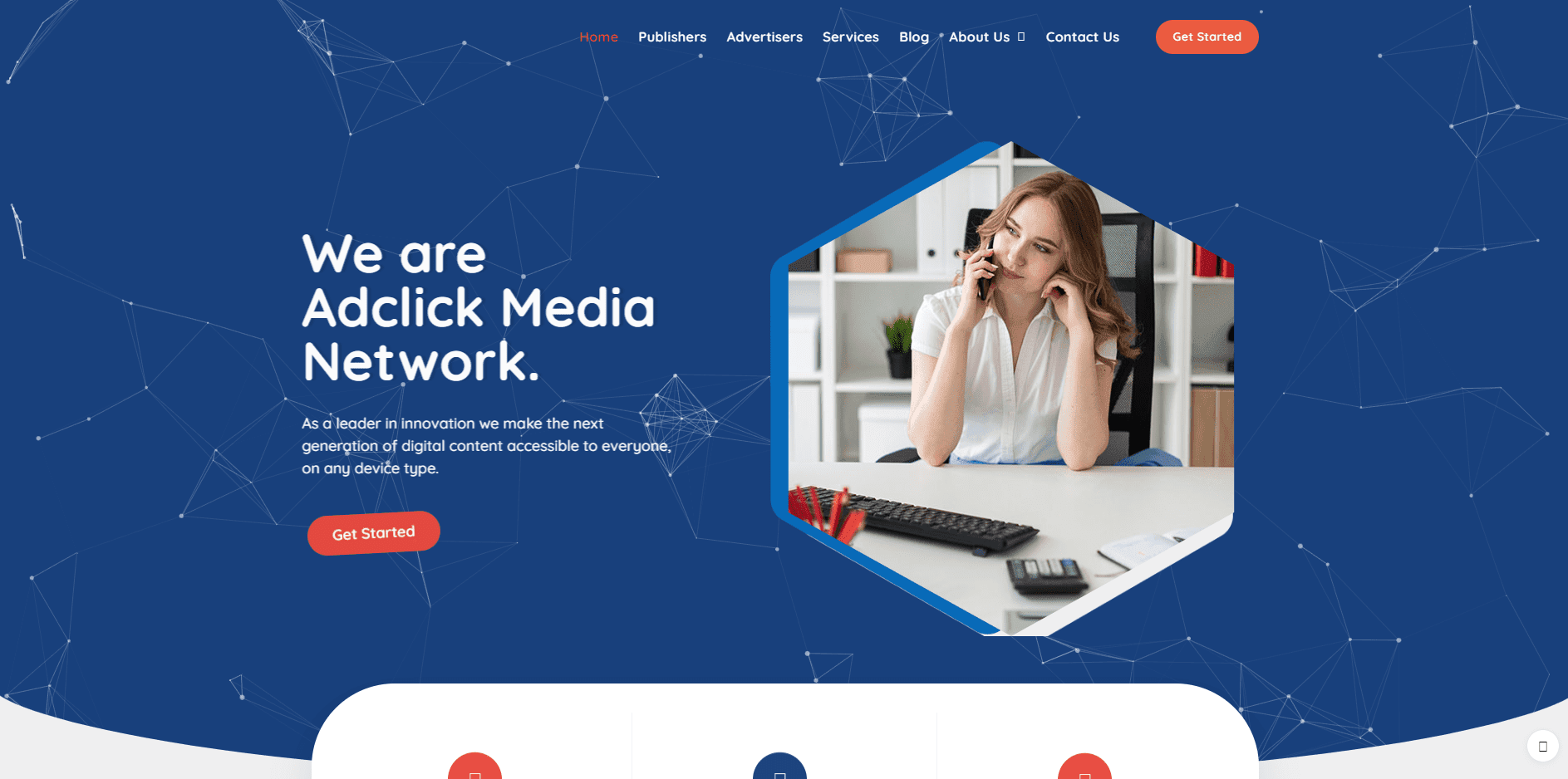
AdClickMedia is a native and display advertising network focused on monetizing content websites and blogs of all sizes through customizable ad formats, high fill rates, and performance-based campaign placements. Industry feedback suggests AdClickMedia works best as a supplementary network alongside a primary pop-up platform, adding display and native revenue layers to content sites that already run popunder monetization through a dedicated specialist network.
Payment Details:
- Minimum Payout: $50
- Payment Methods: Wire Transfer
- Payment Frequency: Net-30 (monthly)
- Supported Currency: USD
Pros:
- Customizable ad format options allow publishers to control placement, size, and frequency, providing more implementation flexibility than fully automated networks where publishers have limited configuration control.
- High fill rate optimization ensures content sites serve relevant ads across their display and native inventory without the empty slot gaps that reduce total monthly earnings.
- Transparent performance reporting gives publishers visibility into impression counts, click rates, and revenue trends at the campaign level.
Cons:
- Wire Transfer-only payment method is the most restrictive on this list; publishers who need PayPal, Bitcoin, Payoneer, or e-wallet payment options will find AdClickMedia inaccessible as a primary revenue source.
- $50 minimum payout with a Net-30 monthly cycle creates a 60–90 day wait before first earnings arrive, one of the slowest cash access timelines across all networks reviewed here.
- Limited publicly available information about network scale, fill rates, and publisher community feedback makes independent verification of performance claims more difficult than for larger established competitors.
Best For: Content websites and blogs in mainstream niches that can accommodate Wire Transfer payments and want customizable display and native ad placements as a supplementary revenue layer alongside a primary popunder network.
14. Ezoic
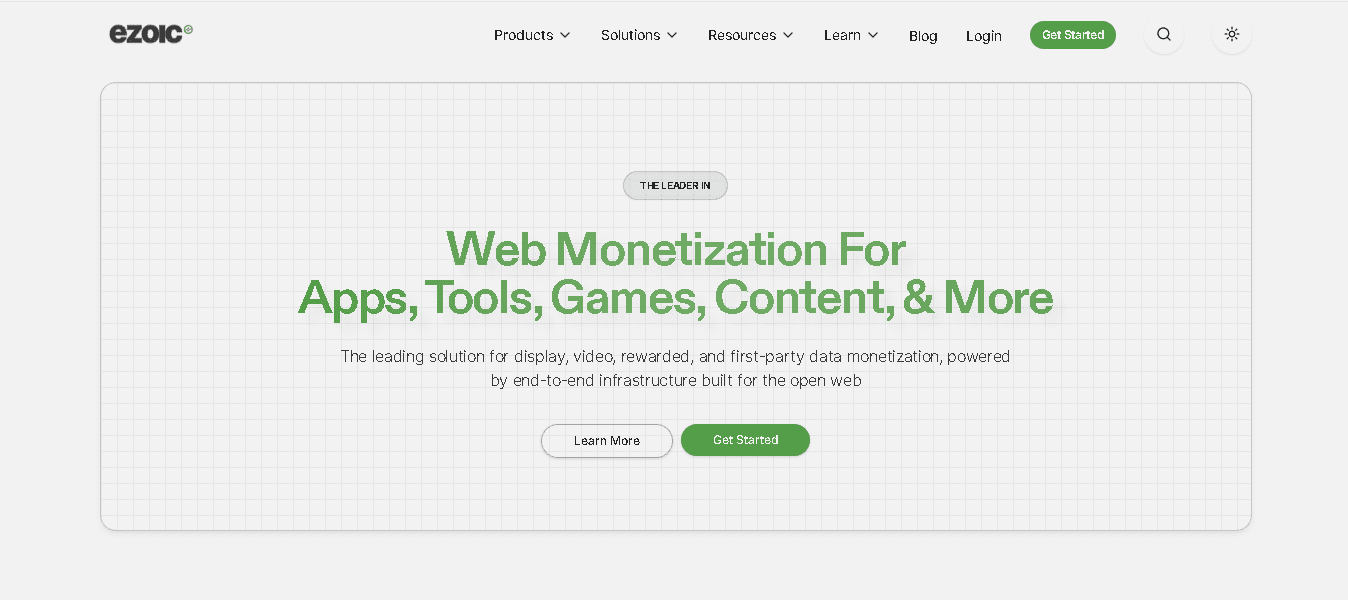
Ezoic, founded in 2010 and headquartered in Carlsbad, California, is an AI-powered ad optimization platform and Google Certified Publishing Partner that automatically tests ad layouts, placements, and formats to maximize publisher revenue while actively monitoring Core Web Vitals and page experience metrics. From an editorial perspective, Ezoic’s inclusion in a pop-up ad guide reflects its broader ad optimization capabilities. It manages programmatic demand from Google AdX, AppNexus, and others rather than serving traditional popunder formats, but its AI-optimized interstitial placements deliver strong CPMs that make it one of the most effective platforms for publishers wanting intelligent monetization without format aggressiveness.
Payment Details:
- Minimum Payout: $20
- Payment Methods: PayPal, Payoneer, Wise, Direct Deposit (US), Bank Transfer, Check (US only)
- Payment Frequency: Net-30 default
- Payment Initiated: 27th of each month for previous month’s earnings
- Supported Currency: Local currency supported in most countries
Pros:
- Low $20 minimum payout with a reliable monthly payment history, verified by independent publishers who have used the platform since 2016 without missed payments, provides confidence that new publishers lack with less established networks.
- AI-driven layout and placement optimization continuously improves revenue performance without requiring publishers to manually configure or monitor ad placement strategies alongside content creation.
- Core Web Vitals monitoring ensures ad implementation does not negatively impact search ranking signals, a critical differentiator from aggressive pop-up networks that sacrifice SEO performance for short-term CPM gains.
Cons:
- Platform complexity across its dashboard spanning ad testing, CDN, analytics, and SEO tools creates a steep learning curve for non-technical publishers unfamiliar with programmatic advertising concepts.
- Net-30 monthly payment cycle is slower than weekly alternatives available through PropellerAds, PopAds, and AdMaven for publishers prioritizing fast earnings access.
- Some advanced Ezoic Premium features require a paid subscription, adding operational cost that may not be justified for very early-stage publishers with minimal traffic or revenue.
Best For: Growing content publishers who want AI-optimized programmatic revenue with Core Web Vitals protection, a $20 minimum payout, and flexible payment method options without sacrificing SEO performance for aggressive pop-up format implementation.
15. Advidi
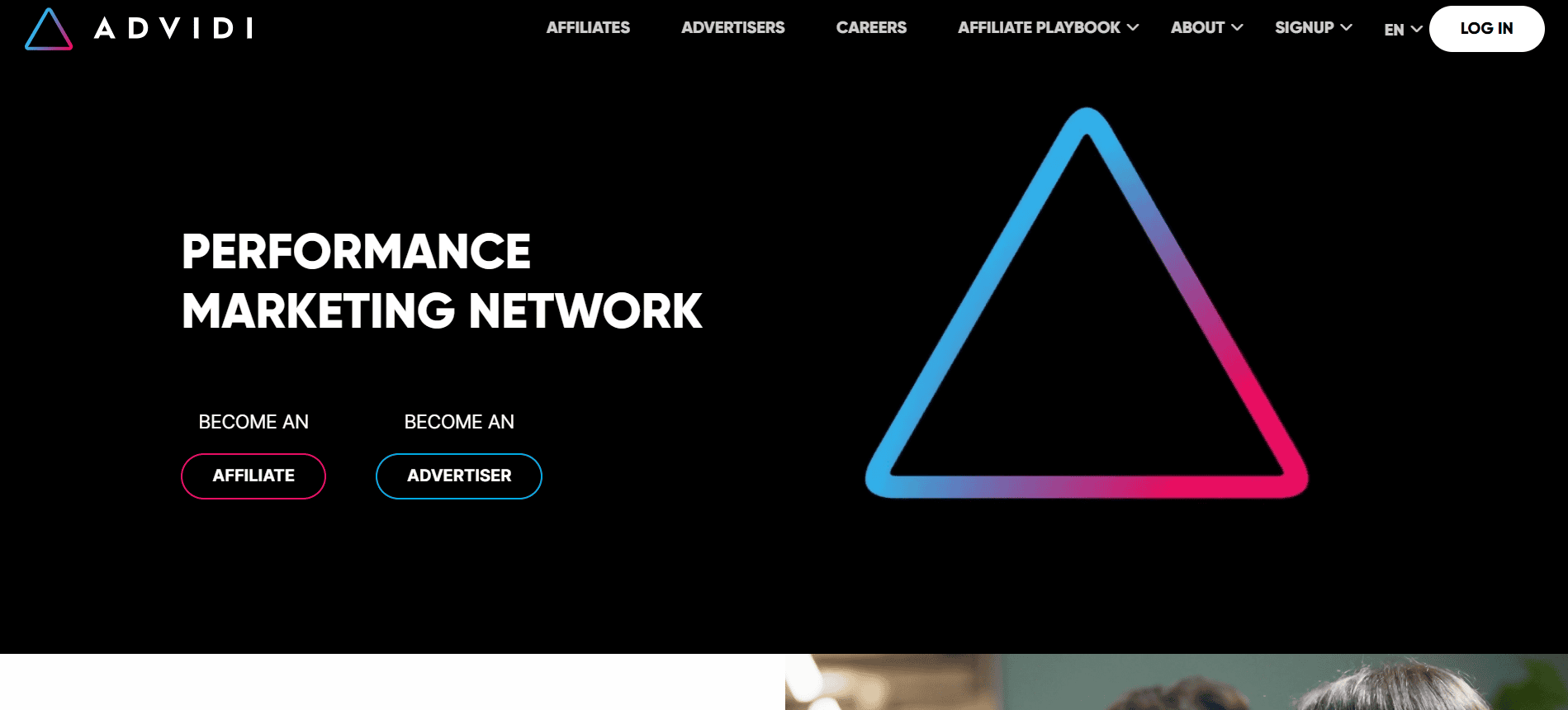
Advidi, founded in 2012 and headquartered in Amsterdam, Netherlands, is a premium performance-driven CPA affiliate network specializing in dating, health and beauty, sweepstakes, iGaming, and mainstream verticals. According to publicly available information from Advidi’s official website and verified affiliate community reviews, Advidi serves 5,000+ affiliates globally, transferring millions of dollars annually through Wire Transfer, Payoneer, Paxum, and WebMoney payment channels.
Advidi is positioned differently from most networks on this list: it is a high-ticket CPA network rather than a traditional display pop-up platform, best suited for experienced media buyers and affiliates managing substantial traffic volumes in competitive verticals.
Payment Details:
- Minimum Payout: $500 (Wire Transfer); $1,000–$1,500 (varies by source and payment method)
- Payment Methods: Wire Transfer, Payoneer, Paxum, WebMoney
- Payment Frequency: Weekly and Bi-weekly (for qualified partners)
- Supported Currency: USD, EUR
Pros:
- Weekly and bi-weekly payment options for qualified affiliates provide faster earnings access than most premium CPA networks that default to Net-30 or Net-60 payment cycles.
- Dedicated affiliate managers with personalized campaign optimization guidance deliver strategic support that self-serve networks cannot offer, particularly valuable for media buyers scaling large traffic volumes.
- Exclusive high-converting offers in dating, health, and iGaming verticals provide access to premium advertiser demand unavailable through general display or pop-up networks.
Cons:
- Stringent new affiliate approval process requires documented traffic experience and may delay onboarding for newer publishers unfamiliar with performance marketing verticals.
- High-ticket CPA focus means Advidi functions as a performance affiliate network rather than a traditional pop-up display network; publishers looking for simple CPM popunder monetization should choose from the other 14 options on this list instead.
Best For: Experienced media buyers and performance affiliates managing substantial volumes in dating, health, iGaming, and sweepstakes verticals who want exclusive high-converting CPA offers with dedicated account management and weekly payments.
How Can Publishers Maximize Pop-Up Ad Revenue Without Hurting SEO?
Our analysis found that balancing pop-up revenue with SEO performance is the biggest challenge publishers face. Most guides present it as a choice between higher earnings and better rankings, but in reality, success depends on careful optimization.
- Use exit-intent triggers instead of load triggers. Exit-intent pop-ups appear only when visitors are about to leave, capturing additional revenue without interrupting the reading experience or increasing bounce rates that can affect SEO.
- Implement frequency capping by displaying pop-ups no more than once every 24–48 hours. Although this slightly reduces impression volume, it improves user experience, session quality, and revenue per session. Most ad networks support this feature through their publisher dashboard.
- Test Core Web Vitals before and after implementation. Metrics such as Largest Contentful Paint (LCP), Interaction to Next Paint (INP), and Cumulative Layout Shift (CLS) influence search rankings. Use Google PageSpeed Insights or Lighthouse to ensure new ad integrations do not hurt site performance.
- Choose popunder ads instead of traditional pop-ups whenever possible. Because they open in a background tab, they generate revenue with less disruption and typically have a smaller impact on bounce rates and SEO.
- Industry feedback shows that publishers who optimize triggers, frequency, and ad formats consistently achieve stronger long-term revenue than those who maximize impressions through aggressive pop-up strategies that gradually reduce organic traffic.
For publishers also running push notification monetization alongside pop-ups, our push notification ad networks guide covers how to combine both formats without format conflict.
Conclusion
Choosing the right pop-up ad networks in 2027 requires balancing three competing priorities: maximizing CPM revenue, maintaining a user experience that retains the audience generating that revenue, and implementing formats that comply with Google’s Better Ads Standards to protect the organic search rankings driving that audience in the first place.
Based on our research, the clearest starting path for most publishers is PropellerAds or Adsterra for immediate low-barrier monetization; both offer $5 minimum payouts, no traffic requirements, and compliant format options alongside more aggressive choices. For publishers with tech or gaming audiences where Adblock adoption is high, Adcash or AdMaven’s anti-Adblock recovery adds meaningful incremental revenue. For elite performance affiliates in high-converting verticals, Advidi’s exclusive CPA offers and dedicated management provide earnings potential that general display networks cannot approach.
The publishers earning the most from pop-up advertising in 2026 and 2027 are not those running the most aggressive formats; they are the ones running the right formats at the right frequency for their specific audience, through networks that pay reliably and transparently.
Frequently Asked Questions (FAQs)
What is pop-up advertising?
Pop-up advertising displays an ad in a separate window that appears over a website’s content, capturing users’ attention and driving engagement.
How do I choose the best pop-up ad network?
Consider factors such as customization options, ad relevance, technology support, payment terms, and advertiser demand when selecting a pop-up ad network.
What are the benefits of pop-up advertising?
Pop-up ads offer high engagement, customization, diverse revenue models, enhanced targeting, and integration with other advertising formats.
How does targeting work in pop-up advertising?
Pop-up ad networks utilize behavioral, geolocation, and demographic targeting to ensure ads reach the right audience.
Can small publishers use pop-up ad networks?
Yes, many pop-up ad networks cater to small publishers with flexible payment models and lower entry requirements.
What types of pop-up ads are available?
Pop-up advertising comes in various formats, including exit-intent, timed, scroll-triggered, and full-screen interstitials, allowing publishers to choose the format that best fits their audience and content.
Are pop-up ads mobile-friendly?
Many modern pop-up ad networks offer responsive designs and mobile-optimized formats, ensuring ads display correctly on smartphones and tablets without disrupting the user experience.
What is the difference between a popup and a popunder ad?
A popup ad appears as a new window or overlay directly over the active browser content, immediately visible and requiring active dismissal before the reader can continue. A popunder ad opens in a new background tab behind the current page, discovered only when the visitor closes the foreground tab.
