

Credit card affiliate programs work by giving you a unique referral link to promote card offers and paying you whenever a referred visitor completes an application or gets approved. Commission structures vary across affiliate programs, with some paying a flat fee per lead, others paying per funded account, and platforms like Experian offering a percentage-based model on recurring user earnings. With cookie durations ranging from 7 days to a full year and audiences actively searching for the right card at every stage of their financial journey, the credit card niche remains one of the highest-paying opportunities available to finance-focused affiliate marketers in 2026.
The best credit card affiliate programs in 2026 include FlexOffers, CJ.com, Bankrate Credit Cards, and several other trusted platforms that pay commissions ranging from $25 per lead all the way up to $200 or more per approved application. These affiliate programs cover a wide range of credit products, including cashback cards, travel rewards cards, secured cards for credit building, and premium cards for high-value spenders, making it one of the most diverse and consistently profitable niches in affiliate marketing.
What Are Credit Card Affiliate Programs?
A credit card affiliate program is a performance-based partnership where publishers earn a commission for referring users to credit card offers through unique tracking links. Publishers, including bloggers, comparison sites, and social media creators, partner with financial institutions or affiliate networks to promote specific card offers.
A commission is earned each time a referred user completes a qualifying action, typically a submitted application, an approval, or a funded account. Unlike most consumer niches, credit card affiliate commissions are predominantly one-time CPA payments rather than recurring revenue. However, individual payouts are high; a single approved application for a premium travel rewards card can generate between $100 and $405 in affiliate revenue, making this one of the highest-yield niches in financial affiliate marketing.
How Do Credit Card Affiliate Programs Work?
During our research, we figured out that Credit card affiliate programs follow a simple step-by-step process:
- Join a program either directly through a card issuer like Chase or American Express, or through a network like FlexOffers or CJ.com.
- Get your unique tracking link after approval and place it in your blog posts, comparison pages, or social media content.
- A cookie is stored in the visitor’s browser when they click your link, tracking them for anywhere between 7 days to a full year, depending on the program.
- A commission is triggered when the user completes a defined action,n usually a completed application or an approved card signup (CPA), or simply a form submission (CPL).
- Earnings are validated after a hold period to filter out cancelled or fraudulent applications, then added to your dashboard.
- Payment is released once you hit the minimum threshold, typically $50 to $100, via direct deposit, check, or bank wire.
Keep in mind that not every click will earn you a commission. Credit card companies can reject applications based on a user’s credit score or country. If your traffic skews toward small business owners, accounting affiliate programs pair well with business credit card promotions. So always focus on attracting the right audience, people who are genuinely looking for a credit card rather than just chasing high traffic numbers.
How to Choose the Best Credit Card Affiliate Program?
Based on our evaluation, these are the key factors to look for in an affiliate program before joining one:
- High Payouts: Look for programs that pay between $25 and $100 per lead, with some premium card programs offering up to $405 per accepted application. Most commissions are one-time payments, so the per-lead rate matters a lot.
- Low Payment Threshold: Choose programs with a low minimum payout so you can access your earnings faster. A $100 threshold with a $25 per lead rate means you only need four referrals to cash out.
- Marketing Tools: Good programs provide ready-to-use resources like email templates, banner ads, infographics, and educational content to help you promote more effectively without starting from scratch.
- Affiliate Support: Look for programs that offer a dedicated affiliate dashboard where you can track clicks, signups, and commissions, along with an affiliate manager who can guide your strategy.
- Long Cookie Duration: Cookie windows in this niche range from 7 days to a full year. The longer the duration, the more time you have to earn credit for a referral who does not convert on the first visit.
Best Credit Card Affiliate Programs In 2026
Here is the list of the top 15 best credit card affiliate programs in 2026 that offer high commissions
- FlexOffers
- CJ.com
- Credit.com
- Credit One Bank
- Experian
- TransUnion
- Credit Karma
- CommissionSoup
- Bankrate Credit Cards
- Credit Assistance
- American Express
- Credit Repair
- Chase Affiliate
- Capital One Affiliate
- M1 Affiliate
1. FlexOffers

FlexOffers has over 12,000 active advertisers. This is a market for premium credit cards. With affiliate credit card programs, they specialise. Currently, they have more than 500 affiliate networks just for financial services. The majority of many other credit card companies, as well as AMEX and Visa associate offers, have previously been accessible here. One of the greatest credit card affiliate networks, FlexOff, has been praised for its diversity alone.
You have an additional way to make money with their FlexRev-$hare program thanks to second-tier commissions.
Program Details
- Strengths: Credit card, as well as other financial affiliate offerings.
- Commission: $16–$400 or more for each conversion.
- Duration: The software determines the cookie duration on its own. 10-15 to 45 days
- Methods of payment: check, bank wire, and direct deposit
- A $100 down payment is required.
- Programs available: CPA and CPS
Pros
- Huge variety of credit card offers from 500+ financial advertisers
- Second-tier commissions available through FlexRev-$hare program
Cons
- Cookie duration varies by advertiser, no fixed standard
- Can be overwhelming for beginners due to the sheer number of offers
2. CJ.com
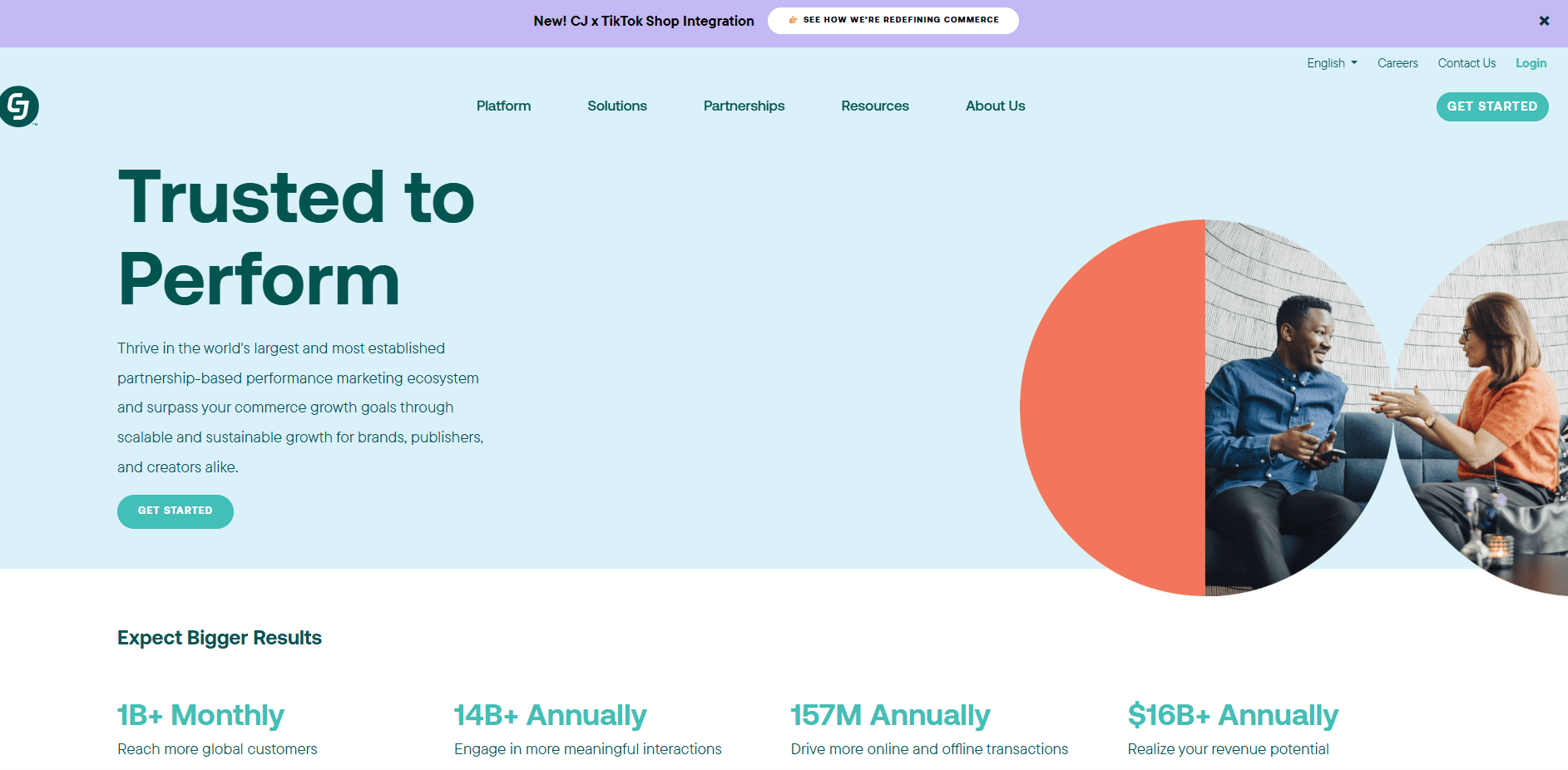
CJ provides access to a number of the biggest companies in the world for publications that are involved in credit card programs. Major stores like Overstock, Lowe’s, and Zappos, in combination with credit card affiliate programs, all have offers posted here. Although the network doesn’t concentrate on credit card programs, the dashboard makes it simple to browse by advertiser type. Finding an affiliate program for credit card publishers won’t be difficult. An affiliate network with over 20 years of experience is Commission Junction.
Program Details
- Strength: Affiliate offers for credit cards, loans, and guidance
- Commission: Depending on the offer, between $1 and $140
- Cookie: Variable based on the offer. Offers No-cookie tracking
- Payment options: Payoneer, FedEx, Checks, and Direct Deposit
- A $50 down payment is required.
- Offerings include CPA, CPL, CPS, and per-call payment
Pros
- 20+ years of network experience with major global brands
- Multiple commission models, including CPA, CPL, CPS, and per-call
Cons
- Not exclusively focused on credit cards
- Cookie duration varies per offer; some offers have no cookie tracking
3. Credit.com

The affiliate and reseller programs run by Credit.com are centered on credit card offers and personal finance. Publishers have a variety of options, including credit cards, personal loans, and even financial advisory services. They are a well-known provider of credit cards. The biggest credit card issuers in the world, such as Mastercard, American Express, and Chase, have all recruited affiliate marketers to work for them. We have access to sophisticated account management features, tracking tools with personalized notifications, and training resources that can assist you in projecting greater competence on the site. We also appreciated their well-known Visa credit card a lot.
Program Details
- Strength: Affiliate offers for credit cards and financing.
- Commission: Determined by each advertiser.
- Cookie: Created by each advertiser.
- Payment options: check, bank wire, and direct deposit
- A $100 down payment is required.
- Programs available: CPA and CPS
Pros
- Access to top issuers like Mastercard, American Express, and Chase
- Advanced tracking tools with personalized notifications
- Supports multiple financial product categories beyond credit cards
Cons
- Commission and cookie duration are set by each advertiser
- Less predictable earnings due to advertiser-controlled terms
4. Credit One Bank
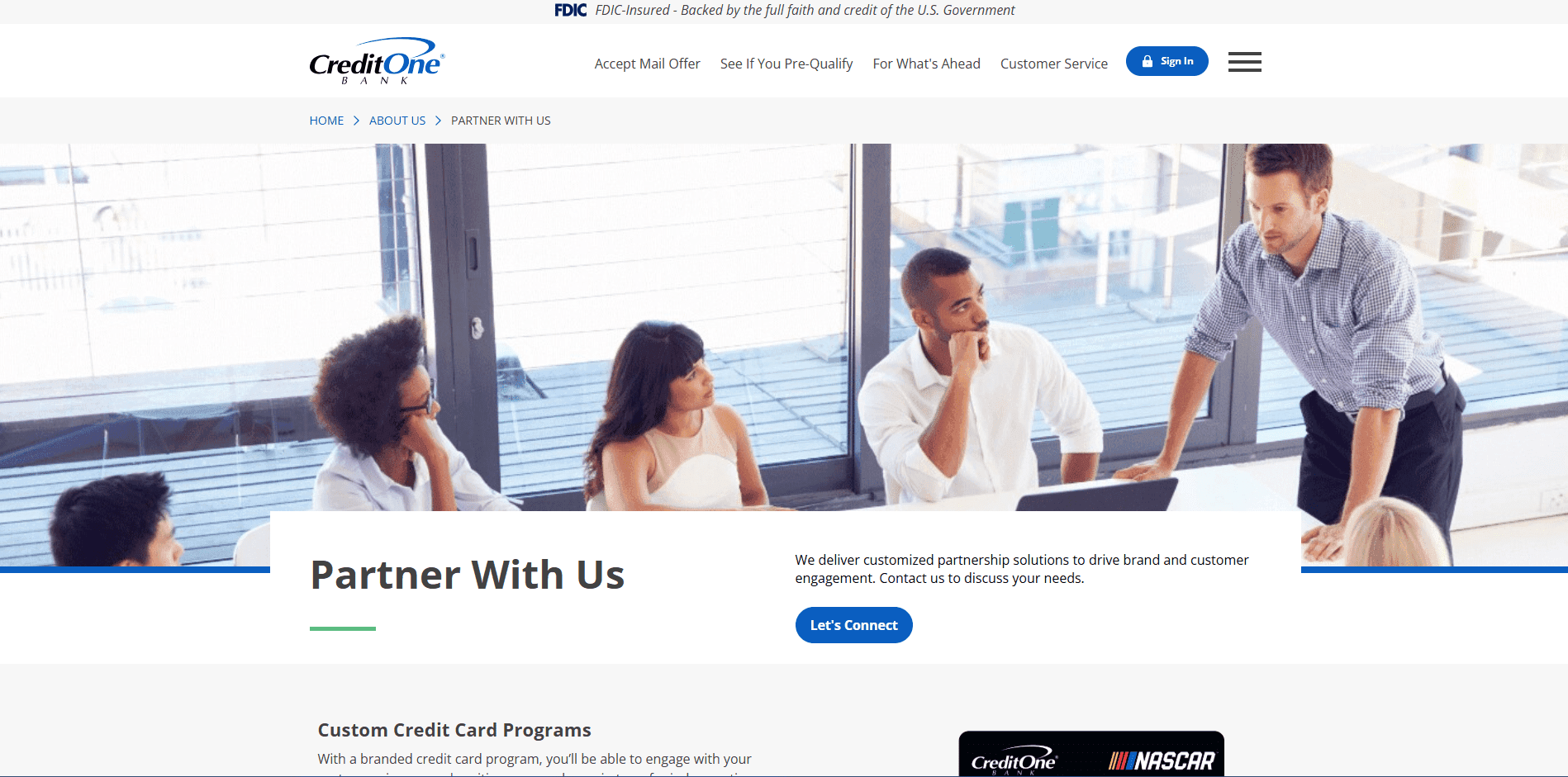
Credit One Bank is the master of the fair credit transition, sitting perfectly between secured cards and elite prime lenders. They offer the psychological win of an unsecured limit to people who have outgrown basic rebuilder tools. As an affiliate, their massive national advertising is your best friend; the brand recognition is already there. We have found their tracking to be among the most stable in the finance sector, usually managed through top-tier networks. They offer prime perks like cash back, which is a huge selling point for someone used to having no rewards at all. It’s a professional, high-converting program that rewards you for sending quality leads ready for a real bank. It bridges the gap between rebuilding and true financial stability perfectly.
Program Details
- Strength: Credit Cards & Financing
- Commission: Varies by Advertiser
- Cookie Duration: Varies by Advertiser
- Payout Threshold: $100
- Payment Methods: Check, Bank Wire, Direct Deposit
- Program Model: CPA, CPS
Pros
- Strong brand recognition reduces the need for heavy pre-selling
- Stable and reliable tracking managed through top-tier networks
- Cash back rewards are a strong selling point for rebuilding-credit audiences
Cons
- Best suited for a specific audience, fair credit, or credit rebuilders
- Limited appeal for audiences with excellent credit seeking premium cards
5. Experian
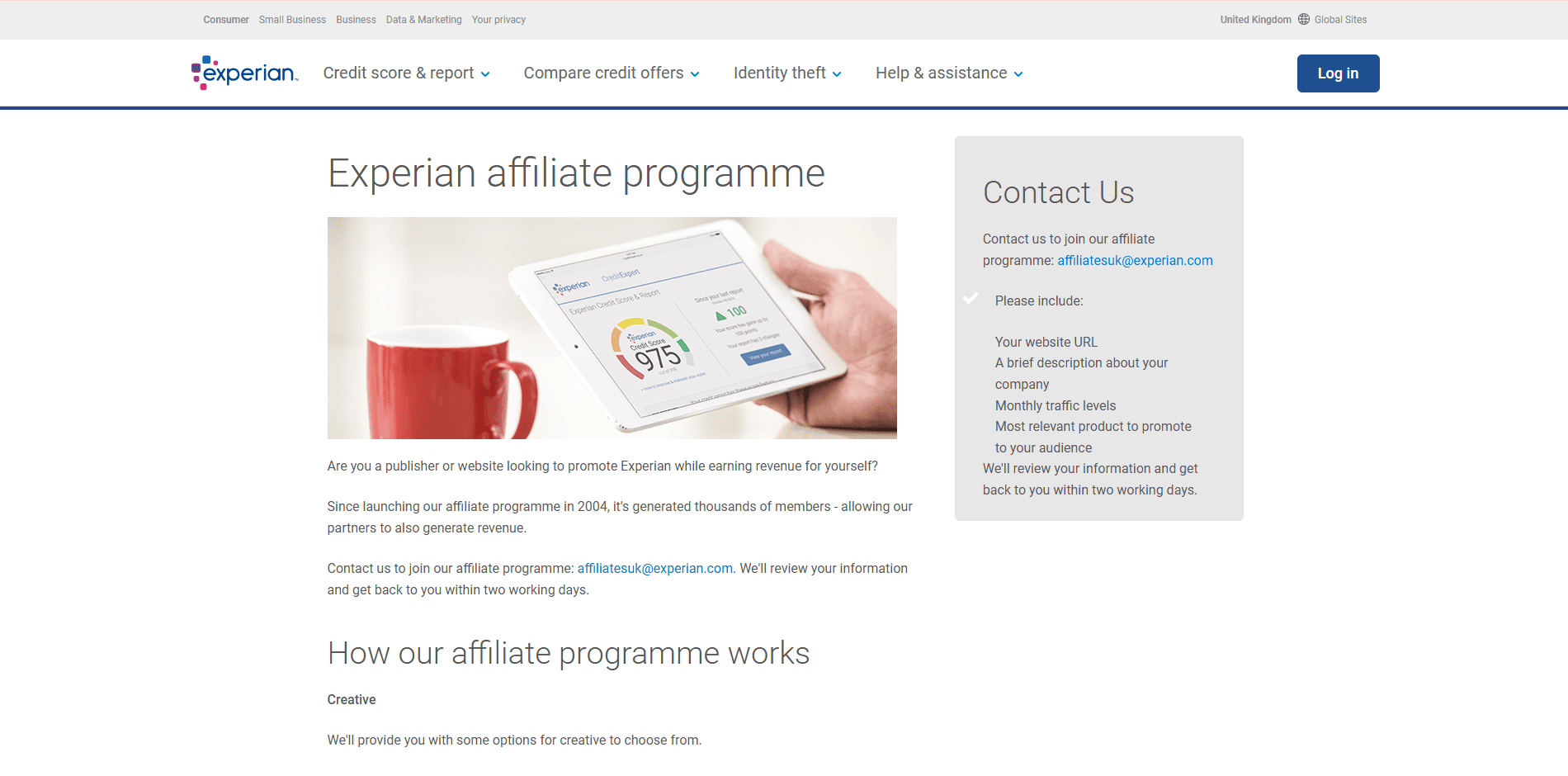
Experian is a well-known supplier of credit offers and financial reports. Their offerings include specialized credit card offers, personal finance, debt management programs, credit reports, car loans, and personal loans. The CJ Affiliate network is presently home to the Experian credit card program. Experian’s credit scores as well as reports can be a useful resource for publishers with financial websites and their audience. With this scheme, each referred customer earns a variable percentage. This may be one of the finest affiliate programs for you if you’ve established the trust necessary to steer your traffic toward a variety of services and card offers.
Program Details
- Strength: Loan and credit card options.
- Earn a commission of approximately 20% of the money your users make.
- 45 days for a cookie.
- Payment options: wire transfer, check, and direct deposit.
- Depending on the promotion, there may be a minimum payment requirement.
- Programs available: CPS
Pros
- Cookie duration gives a solid conversion window
- The revenue share model means earnings grow with user activity
- Complements other financial content naturally
Cons
- Commission is percentage-based, so earnings depend on what users actually spend
- CPS only, no CPA or CPL options available
6. TransUnion
Customers can choose from a range of credit protection agencies, including TransUnion, offering fast security warnings, credit protection, and credit reports. Therefore, this is ideal for anyone who needs to improve their credit score. You can drive your traffic towards either the free trials or the purchased financial goods via the affiliate program. As a customer transitions from testing out such a service to subscribing, you might be able to receive both the trials and the purchase commissions for specific offerings.
Program Details
- Strength: Credit card offers and financial guidance.
- Commission: $20 for a $1 seven-day trial, $45 for a purchased item.
- 45 days for a cookie.
- Wire/Direct Deposit as payment methods.
- Depending on the promotion, there may be a minimum payment requirement.
- Programs available: Fixed CPA/CPS
Pros
- Personalized tracking tools and pre-generated marketing materials included
- Access to a wide range of financial products to promote
- Strong conversion potential due to brand authority
Cons
- Fixed CPA commissions with no revenue share option
- Limited to credit protection products, with less variety than broader networks
7. Credit Karma
A credit monitoring system called Credit Karma gives users a comprehensive snapshot of their financial situation. The platform doesn’t market or sell goods. Instead, it offers suggestions and guidance regarding services from third parties. Each individual you refer who establishes a Credit Karma account receives a flat commission through the affiliate program (accessible on CJ). The beneficial, free features have a great chance of converting users. Publishers are given resources, tracking tools, and a weekly newsletter that focuses on the areas and strategies that other publishers have found to be successful.
Program Details
- Strength: Reports and credit scoring.
- Commission: $0.25 for each signup.
- 45 days for a cookie.
- Payment options: depending on the network. Multiple networks have hosted CreditKarma.
- Minimum payment: Depending on the network.
- Programs available: CPA
Pros
- Free product with high conversion potential due to no purchase barrier
- Weekly newsletter with publisher tips included
Cons
- Very low commission per signup, requires high volume to earn meaningfully
- No direct credit card sales, only account signups
8. CommissionSoup
CommissionSoup offers a number of the most well-known credit card schemes online. Because it has some of the top credit programs, it is regarded by some as the highest credit card affiliate program. With 18 years under its belt, the network has earned the respect of a number of the greatest brands in the credit card industry. It has promotions for credit cards from numerous well-known companies, such as AMEX, Visa Credit, Mastercard, and Credit One. Numerous other affiliate programs are available to publishers.
Program Details
- Strengths: Finance and credit cards.
- Commission: depending on the deal, $10-$40.
- 30 days for cookies
- Methods of payment: check
- A $100 down payment is required.
- Programs available: CPA
Pros
- 18 years of experience with established brand relationships
- Exclusive tracking software and marketing materials provided
- Covers major issuers including AMEX, Visa, Mastercard, and Credit One
Cons
- Lower commission range compared to other networks
- Payment by check only, no direct deposit option
9. Bankrate Credit Cards
Bankrate Credit Cards is really a credit card network by itself; it also oversees affiliate credit card programs for some of its own competitors. On this network, credit card affiliate programs are accessible from AMEX, Capital One, Chase, and Discover. Publishers have access to more than 300 different offers linked to credit cards and financial counselling through the Bankrate credit cards. Numerous of these affiliate offers include special conditions and compensation arrangements of their own. A specialised account person supports each affiliate in the network.
Program Details
- Strengths: Credit cards with major banks.
- Commission: Up to $200 for each signup, 40%+ Rev-Share.
- Cookie: thirty days
- ACH and check as payment options.
- Each promotion has a different minimum payment amount.
- Programs available: CPM, CPC, CPA, and CPL
Pros
- Access to 300+ credit card and financial offers
- Dedicated account manager for every affiliate
Cons
- Minimum payment amount varies per promotion, making earnings harder to predict
- Competitive network requiring strong content to stand out
10. Credit Assistance Network
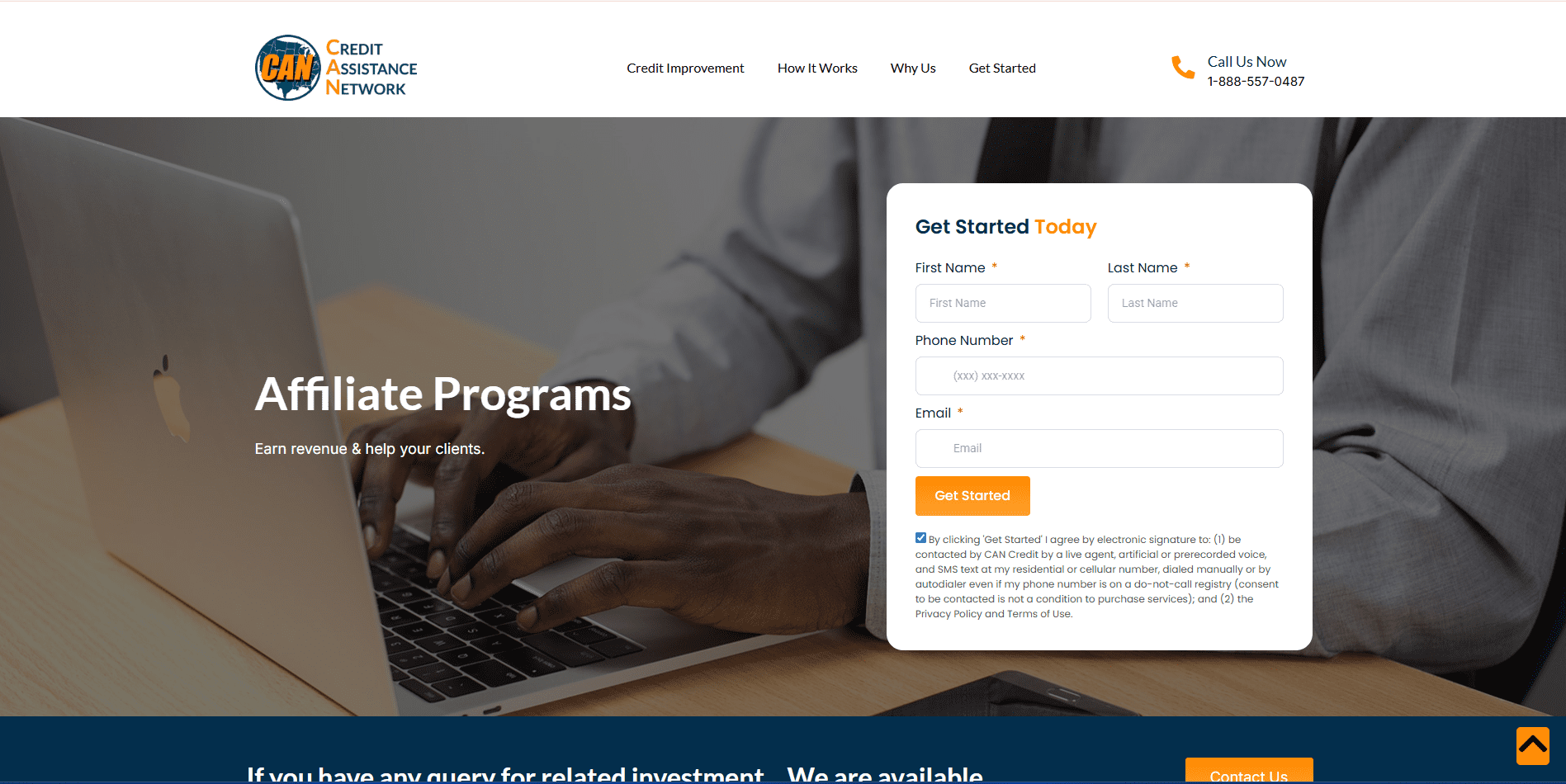
Credit Assistance Network would be a program that focuses on credit improvement. On the more extensive ShareASale Network, the products are available, including secured credit cards. The hosted offers also contain instructional materials and consulting services, as well as credit cards. On this network, sites that are geared towards establishing credit and addressing issues like bankruptcies, liens, or ID theft may fare well. A wide variety of banners and other creative assets are available to publishers, all of which can be altered upon request.
Program Details
- Secured credit cards are a strength.
- Commission: $95 per sale, $1.25 for each lead.
- Cookie: a year.
- Payment options: depending on the network. This program is not housed on a network of its own.
- Minimum payment: Depending on the network.
- Programs available: CPA and CPS
Pros
- Covers a unique niche, credit building, bankruptcies, and ID theft recovery
- Wide range of banner and creative assets available
- Large target audience (millions struggle with credit issues)
Cons
- Hosted on ShareASale, so the terms depend on the network
- Lower quality leads may reduce conversion rates
11. American Express
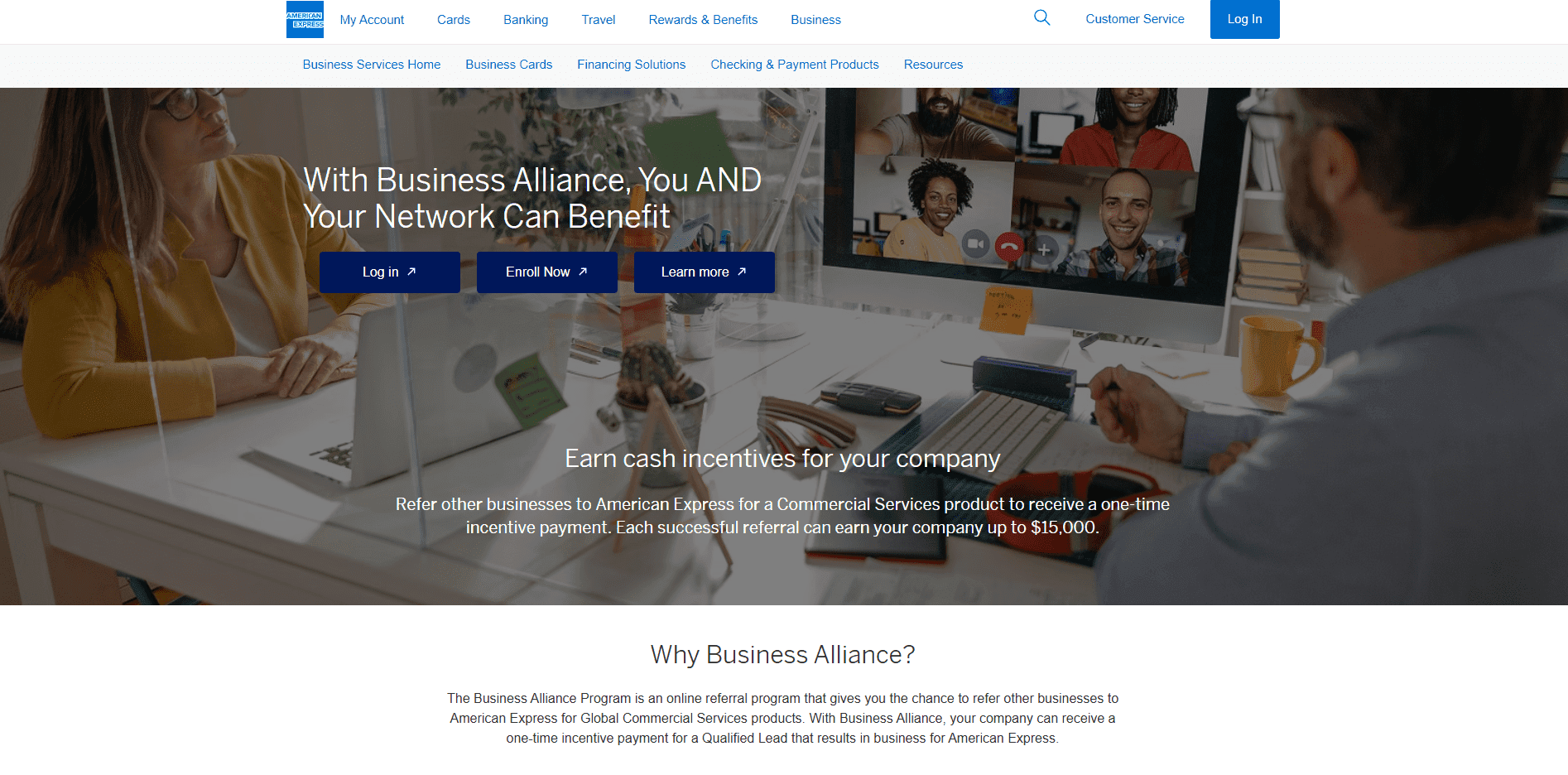
One of the biggest affiliate programs for direct credit cards in the world is the AMEX referral program. You will collaborate closely with the American Express card network and encourage both individual and business signups.
Both the United States and Canada offer the program. The program is currently being expanded in Canada, which has resulted in higher prices for some products. Well-designed resources, such as example code, APIs, or technical support, are available to publishers. American Express offers official help seven days a week. Customers can be pointed to that assistance so they will never need to get in touch with you.
Program Details
- Strengths: One credit card for the affiliate program.
- Commission: Up to $200 per lead.
- 7 days for cookies.
- Direct Deposit is a payment method.
- Minimum payment: Depending on the network.
- Programs available: CPS
Pros
- Direct program with one of the world’s most recognized financial brands
- Strong conversion rate due to brand recognition & loyalty
- Available in both the US and Canada
Cons
- Shorter cookie window compared to some competitors
- Single-card focus limits promotional variety
12. Credit Repair

All different kinds of credit restoration services are primarily provided by the credit repair industry. The website provides instructions, educational materials, and reviews of crests. Additionally, it links users to loan and credit card offers that are tailored to particular credit scores. The corresponding affiliate program pays you for any goods a visitor buys after coming from your website to CreditRepair.com. Additionally, we have received credit for any phone sales that result from users clicking on our site. Since the cookies for such services are valid for a year, you have plenty of time to gradually persuade someone to convert.
Program Details
- Fixing credit is a strength.
- Commission: $70 for each funded customer, or a customer who deposits into the card’s account.
- Cookie: a year.
- Direct Deposit is a payment method.
- Programs available: CPA
Pros
- Cookie duration gives maximum time to convert leads
- Phone sale commissions credited in addition to online conversions
- $70 per funded customer is a solid flat rate
Cons
- Niche audience, only relevant for users with damaged credit
- Limited to credit repair services, no broader card variety
13. Chase
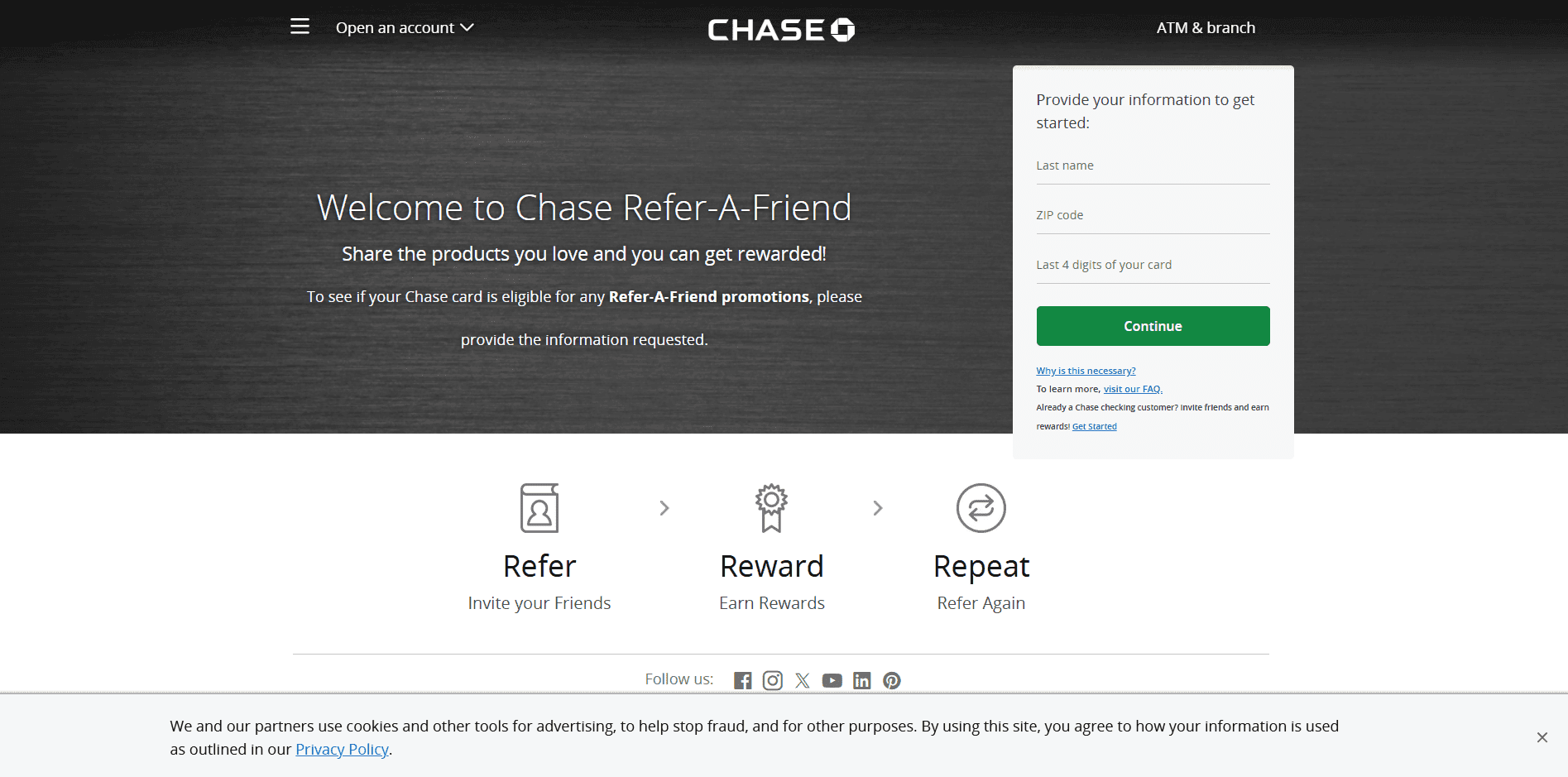
According to Shift, Chase had the special distinction of being issued the most credit cards, with a staggering 93 million cards in use as of 2021. Chase provides a variety of credit cards. Choose your favorites or advertise all available credit card options. Depending on your credit card, you may receive different incentives for recommendations. Therefore, you receive $100 cashback if someone buys a Chase Freedom Credit Card from you. Additionally, you have the choice to advertise credit cards with hotel, airline, or even Disney themes in exchange for bonuses, miles, or awards as the situation demands.
Program Details
- Strength: Credit Repair & Building
- Commission: $70 per funded customer (User who deposits into the account)
- Cookie Duration: 1 Year
- Payment Methods: Direct Deposit
- Program Model: CPA (Cost Per Action)
Pros
- One of the most recognized card issuers in the US, with 93 million cards in circulation
- Wide variety of cards, including cashback, travel, hotel, and business options
- Flexible promotion options across multiple card categories
Cons
- Commission varies by card type, requiring careful selection to maximize earnings
- Competitive niche with many affiliates promoting Chase products
14. Capital One
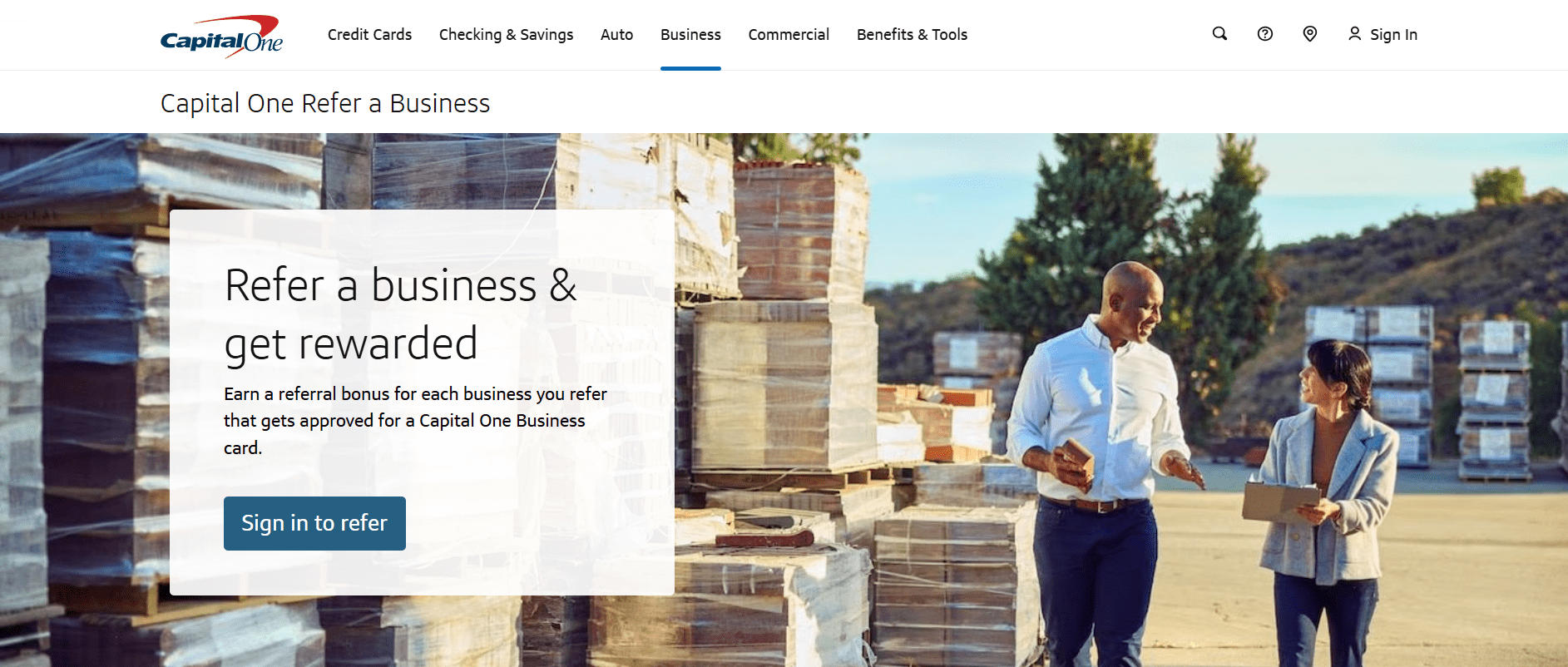
One business that does not wish to be restricted to the financial services industry is Capital One. A short look at their website reveals that they provide a variety of additional services that may serve as an additional draw for customers. Keep in mind that to benefit from their promotions, you must already be an active Capital One credit card customer. To be eligible for the program, you must also have one of these credit cards: QuicksilverOne, Quicksilver, SavorOne, Savor, Platinum, VentureOne, Venture, or Secured Mastercard.
Program Details
- Network / Software: FlexOffers, Bankrate Credit Cards
- Strength: Credit Repair & Building
- Commission: $70 per funded customer (User who deposits into the account)
- Cookie Duration: 1 Year
- Markets: Worldwide
- Payment Methods: Direct Deposit
- Program Model: CPA (Cost Per Action)
Pros
- Available through established networks like FlexOffers and Bankrate
- Wide range of card types from secured to premium rewards cards
- Worldwide market reach
Cons
- Must be an active Capital One cardholder to join the program
- Requires a preliminary registration step before receiving your affiliate link
15. M1
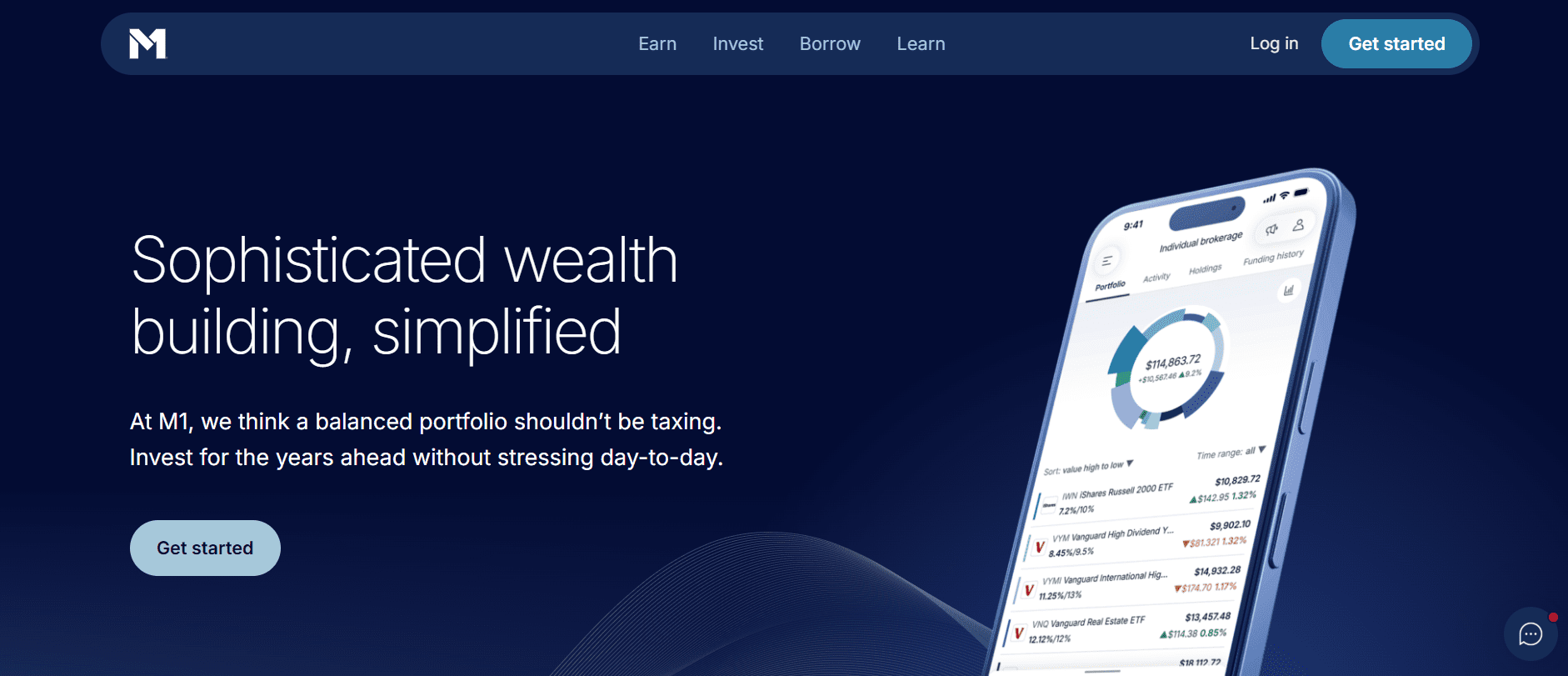
The majority of the information you want as an affiliate marketer is laid out plainly and honestly on M1, one of the only credit card affiliate programs on this list, on their website. You won’t have to do much research regarding this one, but signing up and getting approved is necessary to learn more about how much money you’ll actually make. Mobile users also have an additional app known as The Finance Super App. The M1, as well as the M1 Plus credit cards, and the special Owner’s Rewards Program cards for investors are their three credit card alternatives, each having a separate set of admission requirements and advantages.
Program Details
- Network / Software: Impact
- Strength: Banking & Credit Solutions
- Commission: $25 (Account Creation) – $70 (Qualified Funding/Credit Card Approval)
- Cookie Duration: 30 Days
- Markets: US
- Program Model: CPA (Cost Per Action)
Pros
- Transparent program details publicly available on their website
- Three distinct card options, including the unique Owner’s Rewards card for investors
- Available through Impact, a reliable and well-known affiliate network
Cons
- Limited to US affiliates only
- Lower commission starting at $25 for account creation, requiring funded accounts for higher payouts
How To Become a Credit Card Affiliate
After all the research we have done, we observed that success relies on strategic alignment with your existing audience and content niche.
- Build a finance-relevant platform: Most card programs require an active website, YouTube channel, or social media account with published content related to personal finance, credit, or lifestyle.
- Choose the right program type: Network programs (FlexOffers, CJ.com) are easier to enter and offer access to many cards immediately. Direct issuer programs (AMEX, Chase) require brand-specific approval but typically deliver higher commissions.
- Apply with accurate traffic data: Programs ask for monthly visitors, audience demographics, and content examples.
- Follow FTC/CFPB compliance rules: All credit card affiliate content in the US must include clear affiliate disclosure and cannot make materially misleading claims about card terms.
- Match cards to audience segments: Travel audiences convert on miles-earning cards; debt-management audiences convert on low-APR offers; credit-building audiences convert on secured or fair-credit cards.
Conclusion
Credit card affiliate marketing remains one of the most profitable niches in 2026, with individual commissions ranging from $25 to $405 per approved lead. The 15 programs covered in this guide offer something for every type of publisher, from beginners looking for a straightforward entry point to experienced affiliates scaling with high-ticket card offers.
For most beginners, FlexOffers or CJ.com are the smartest starting points due to their wide card variety, established tracking, and low payout thresholds. If your audience is more specific,c like travelers, business owners, or people rebuilding credit, direct issuer programs like Chase, American Express, or Credit One Bank will deliver higher conversions because the product already matches the reader’s intent. The affiliates who earn consistently in this niche are not the ones driving the most traffic. They are the ones who match the right card to the right audience, disclose their affiliate relationships honestly, and build content that helps readers make confident financial decisions.
Frequently Asked Questions (FAQs)
What are credit card affiliate programs, and how do they work?
Credit card affiliate programs are partnerships where publishers earn a commission for referring users to credit card offers. You place a unique tracking link in your content, and when a user clicks it and completes a qualifying action such as submitting an application or getting approved, you earn a fixed CPA payout, typically between $25 and $405, depending on the card and program.
How much can you realistically earn from credit card affiliate programs?
Earnings vary based on traffic quality and the programs you promote. Entry-level programs like Credit Karma pay as little as $0.25 per signup, while premium card programs like American Express and Bankrate can pay up to $200 to $405 per approved lead. Affiliates with established finance audiences consistently earn four to five figures monthly by focusing on high-intent content and matching the right card to the right reader.
Which credit card affiliate program is best for beginners?
FlexOffers and CJ.com are the best starting points for beginners. Both offer a wide variety of card offers, low minimum payout thresholds, reliable tracking, and access to multiple financial advertisers in one place. This lets beginners test different offers without committing to a single issuer.
Do I need a website to join a credit card affiliate program?
Most programs require a website or established online presence for approval. However, some affiliates successfully use YouTube channels, email newsletters, or paid advertising to drive traffic. Having a dedicated finance blog or comparison site gives you the best chance of approval and the highest conversion rates.
What traffic sources work best for credit card affiliate marketing?
Organic search traffic from SEO-optimized comparison articles and card review posts converts best because it attracts high-intent users actively looking for a card. Email marketing to an engaged finance audience also performs strongly. Paid advertising is effective but requires strict compliance with financial advertising rules on platforms like Google and Facebook.
Are there compliance rules I need to follow as a credit card affiliate?
Yes. You must clearly disclose your affiliate relationship on any page or post that contains affiliate links, as required by the FTC. You also cannot make misleading claims about card benefits, interest rates, or approval odds. Individual programs like American Express and Chase have their own additional compliance guidelines that you must follow to remain in the program.
What is the difference between CPA and CPL in credit card affiliate programs?
CPA, or Cost Per Action, pays you when a referred user completes a full action,n such as an approved card application or a funded account. CPL, or Cost Per Lead, pays you simply for a user submitting their details, even if they are not approved. CPA programs pay significantly more per conversion, while CPL programs have higher approval rates since the bar for earning is lower.
Which credit card affiliate programs pay the highest commissions?
American Express pays up to $200 per lead, Bankrate offers up to $200 per signup plus 40% revenue share, and FlexOffers can pay up to $400 per conversion depending on the card. Premium travel and rewards cards consistently pay the highest commissions because the lifetime value of an approved cardholder is higher for the issuer.
How long do credit card affiliate cookies last?
Cookie durations vary widely across programs. American Express offers only 7 days, CommissionSoup offers 30 days, Experian and TransUnion offer 45 days, and Credit Assistance Network and Credit Repair both offer a full year. Longer cookie durations give you more time to earn a commission, even if the user does not convert on their first visit.
Can I promote multiple credit card affiliate programs at the same time?
Yes, and most successful affiliates do. Promoting multiple programs allows you to match different cards to different audience segments, travel cards for frequent flyers, cashback cards for everyday spenders, and secured cards for credit rebuilders. Just make sure each recommendation is genuine and relevant to the specific reader you are targeting.
